Free Identification Tools
Choose a tool and identify your specimen instantly with our AI.
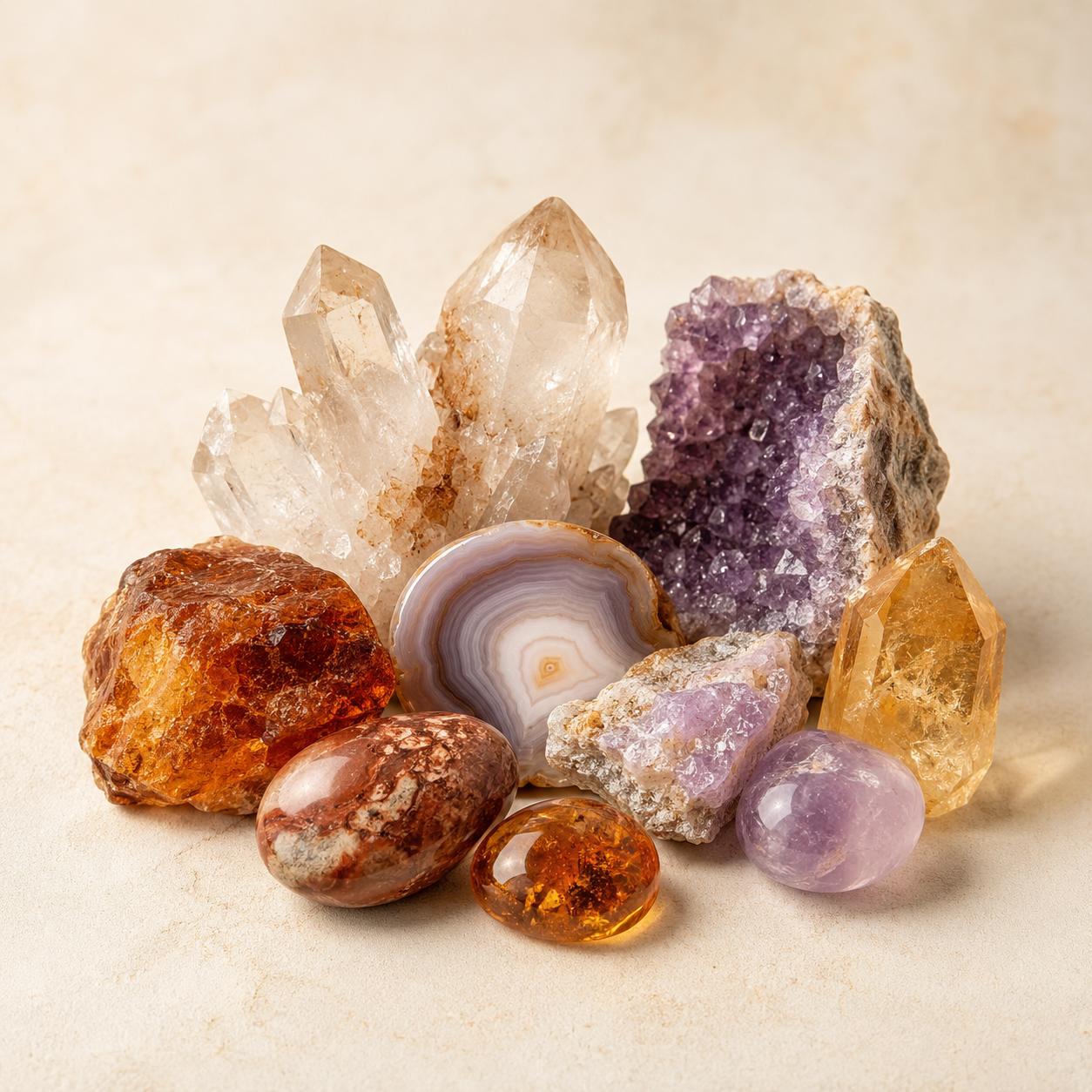
Rock Identifier
A broad starting point for field finds when you need a grounded first read and the next traits to inspect.
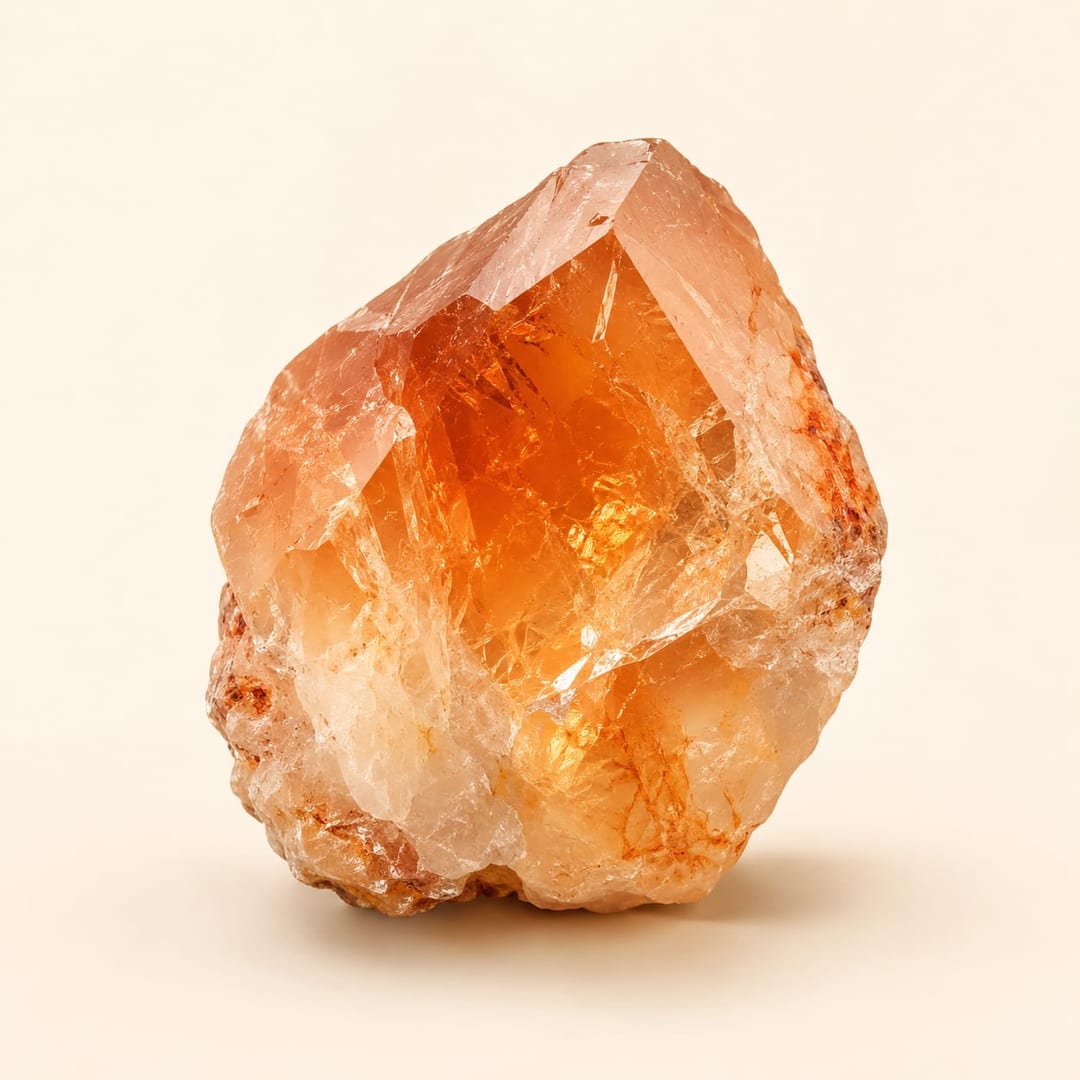
Stone Identifier
Covers tumbled, decorative, and found stones that may be rock, mineral, glass, or another material.
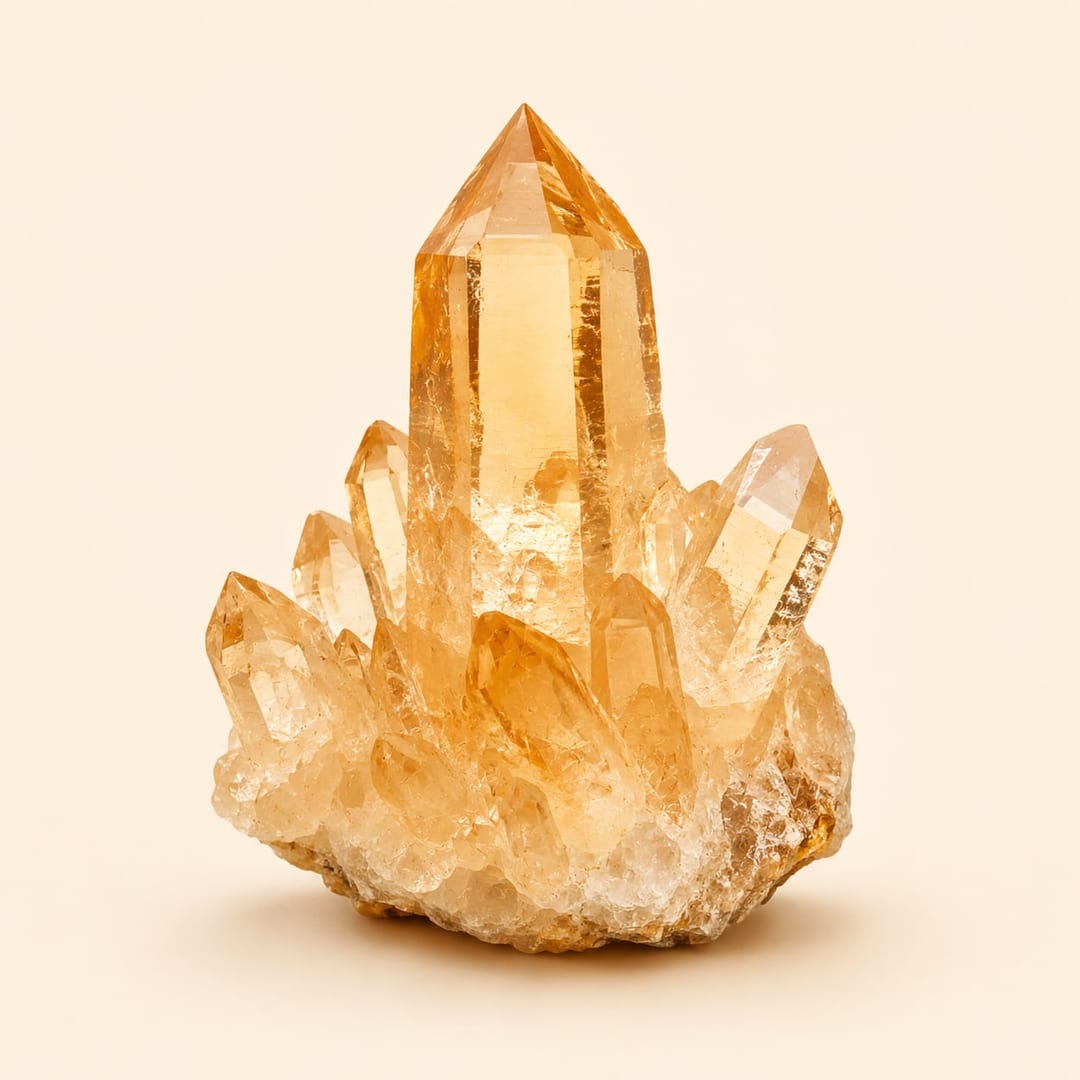
Crystal Identifier
Suited to crystal points, clusters, and single specimens where shape, transparency, and growth pattern carry the identification.
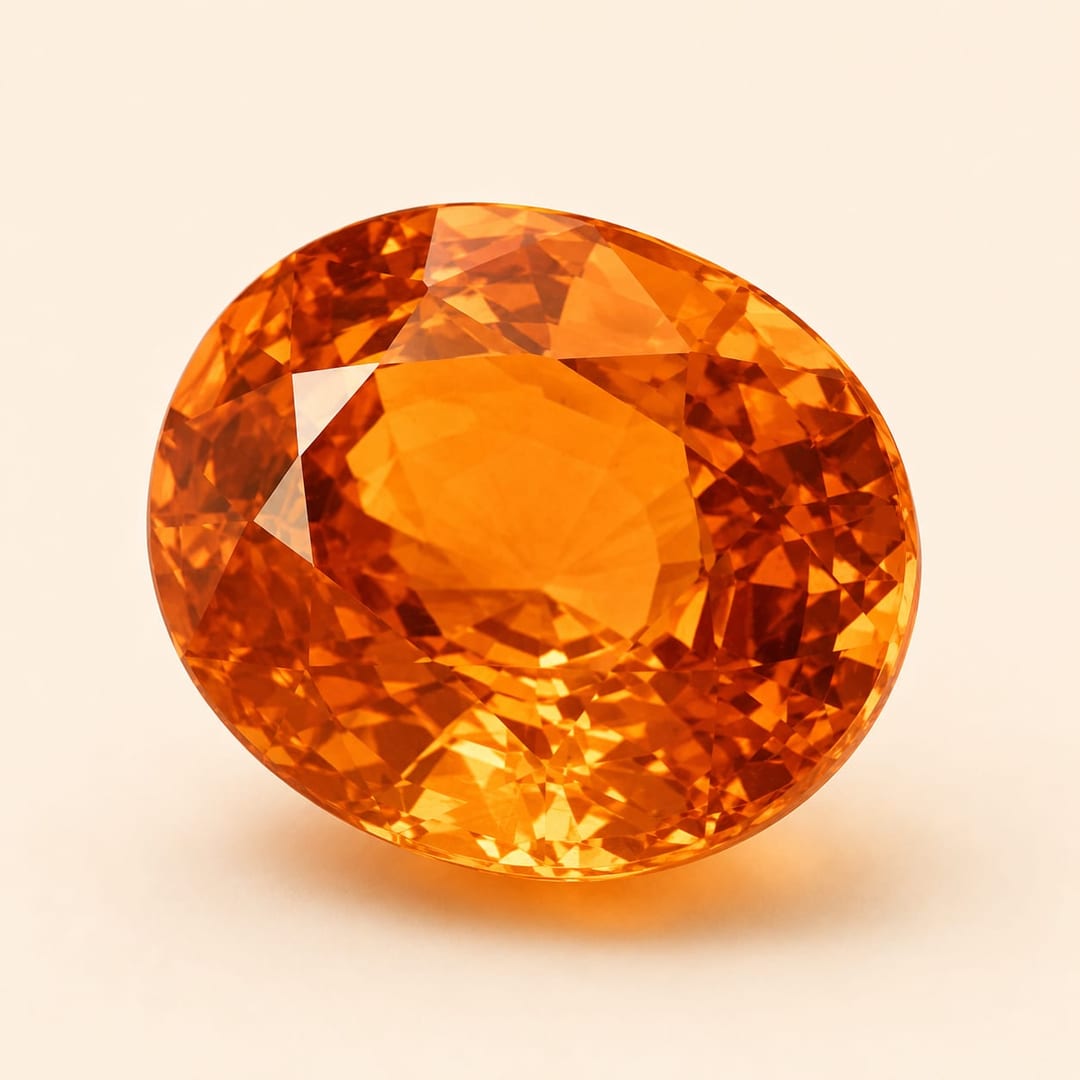
Gemstone Identifier
Handles rough, cut, or polished gem material while staying clear about what still needs lab confirmation.
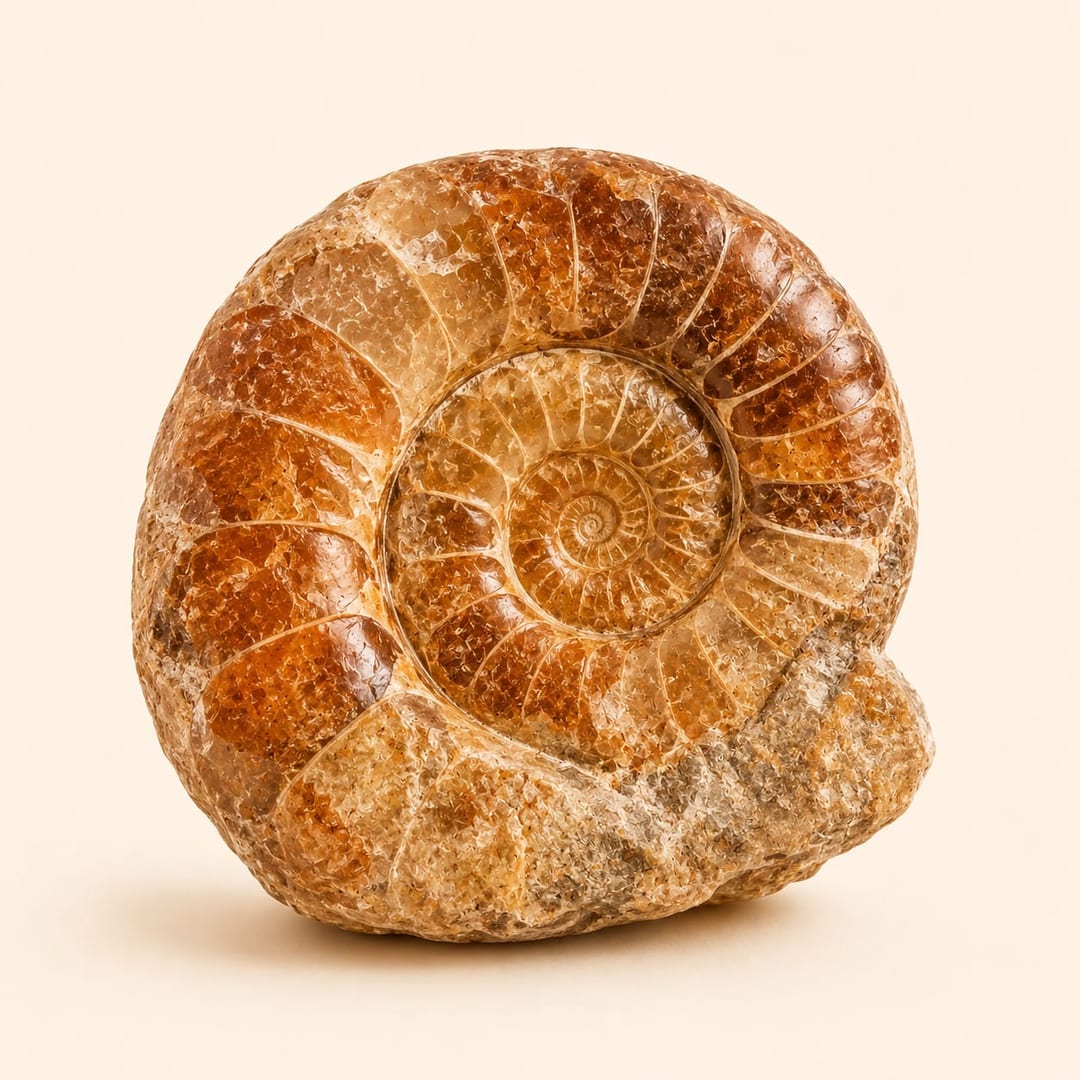
Fossil Identifier
Looks for preserved shapes, impressions, shells, bones, and matrix clues that separate fossils from ordinary rock texture.
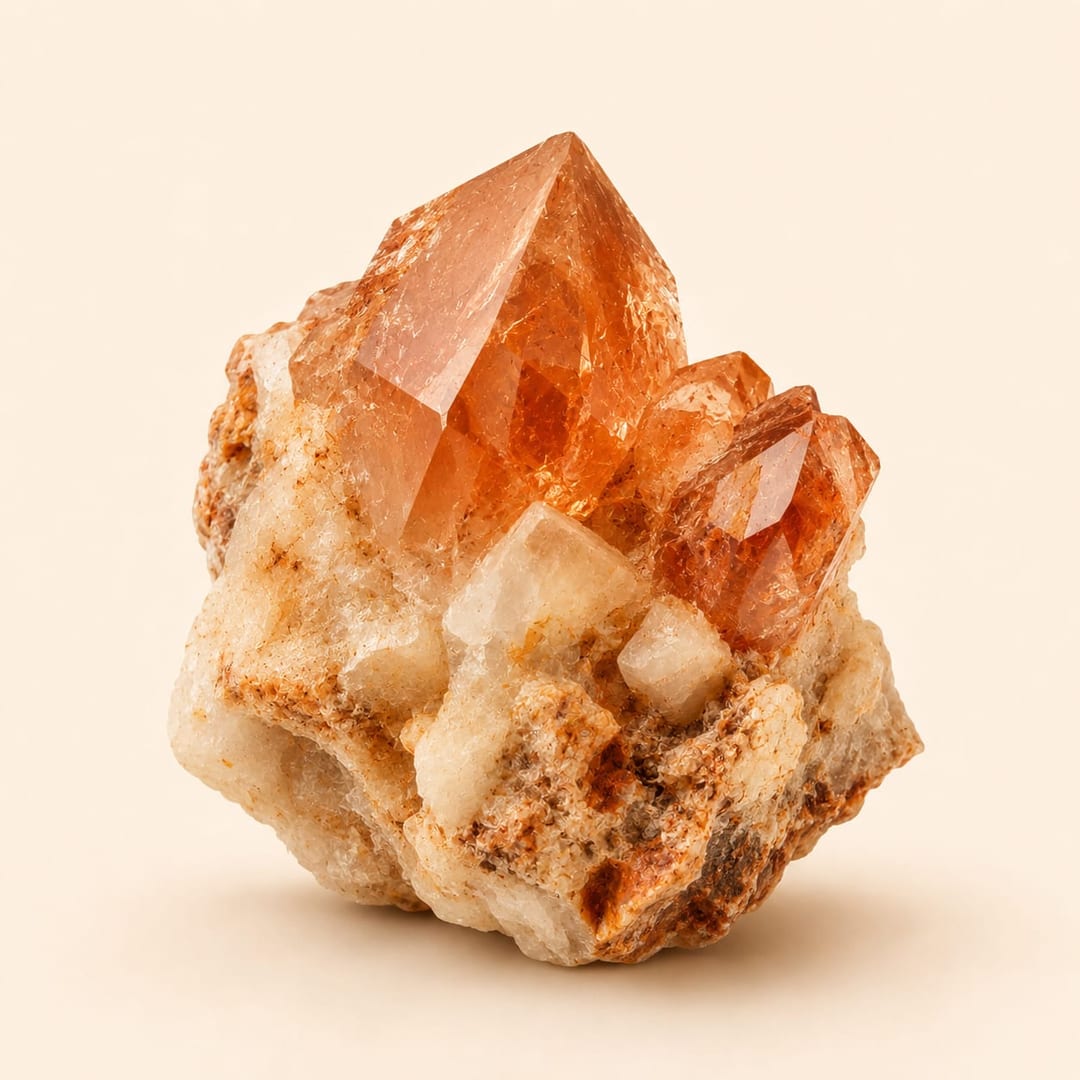
Mineral Identifier
Works best when crystals, luster, habit, or a few simple observations can narrow the mineral family.
Marble Identifier
Covers collectible glass and clay marbles, where swirl structure, seams, size, and wear point to type or era.
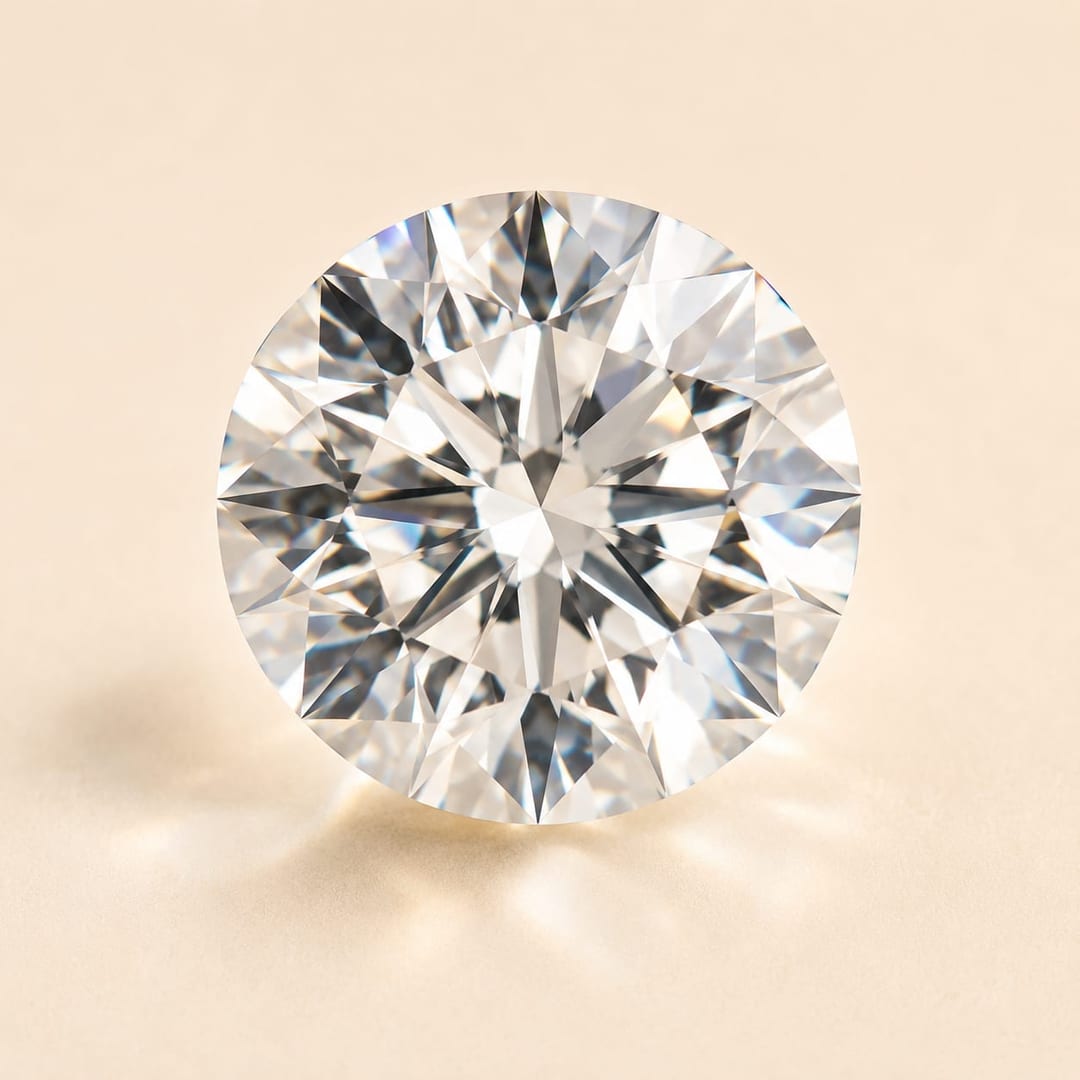
Diamond Identifier
Looks at diamond-like stones without promising authenticity that normally requires gemological testing.
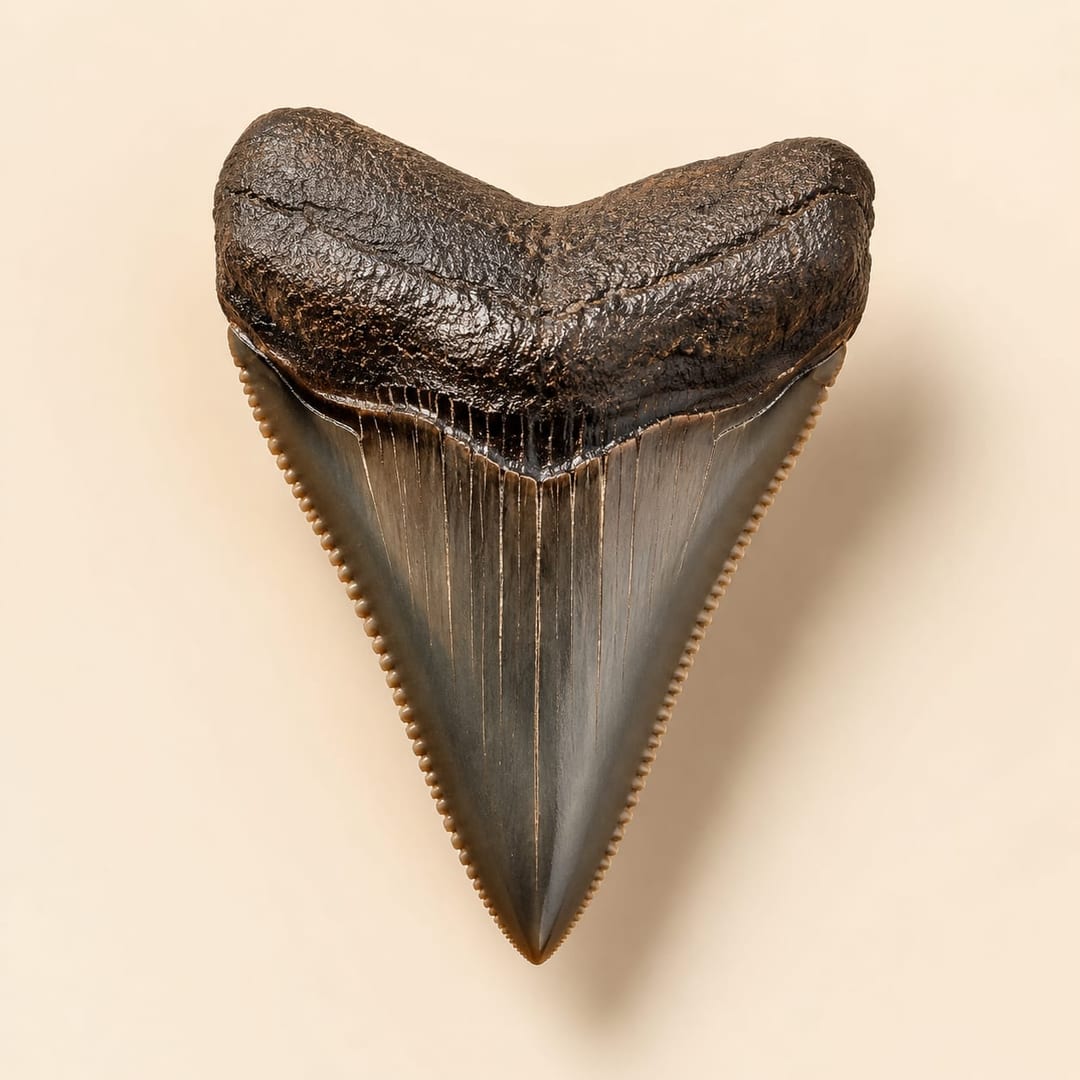
Shark Tooth Identifier
Matches fossil and modern shark teeth through crown shape, serrations, root form, size, and preservation.
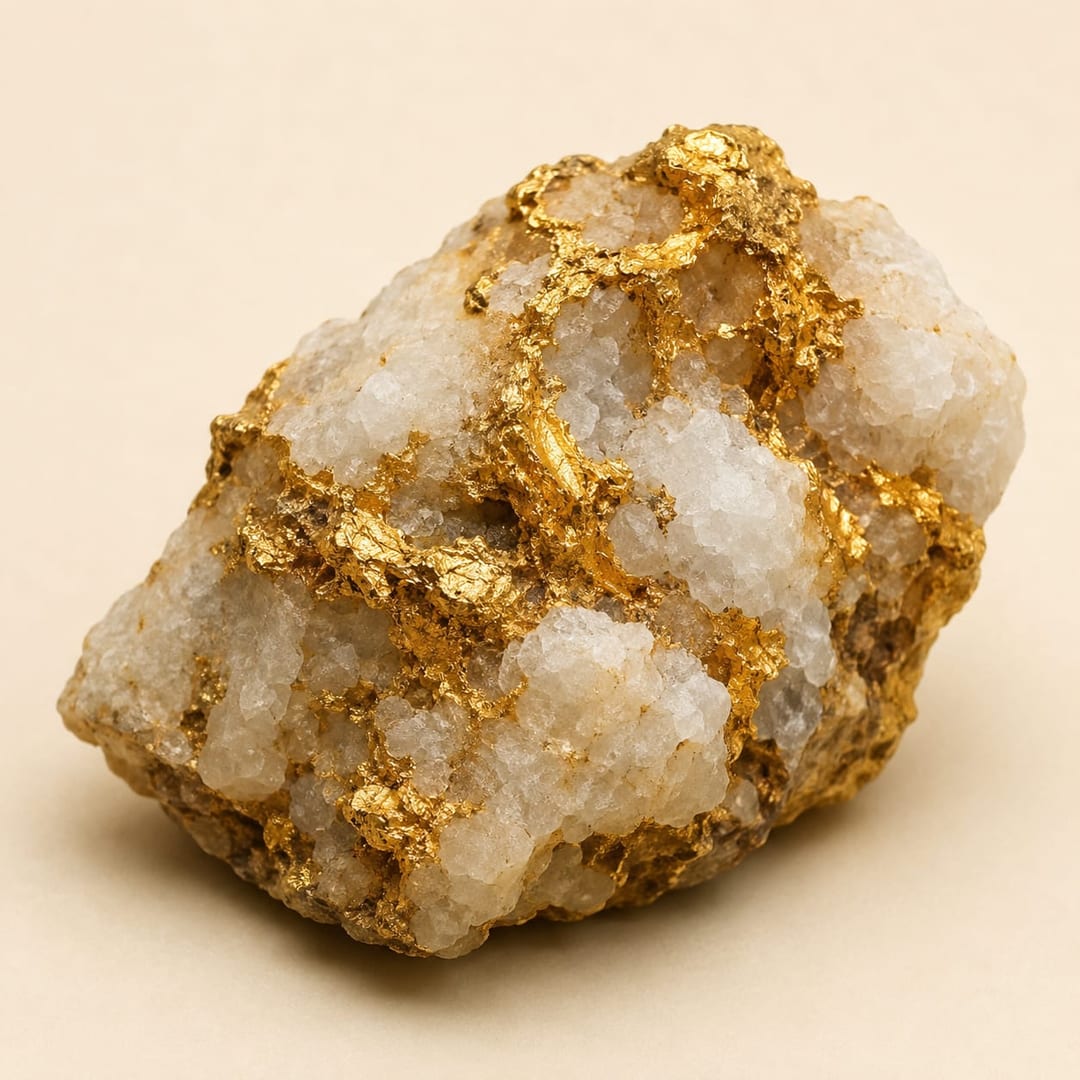
Gold Specimen Identifier
Helps sort gold-colored flakes, nuggets, and jewelry from pyrite, brass, mica, plating, and other impostors.
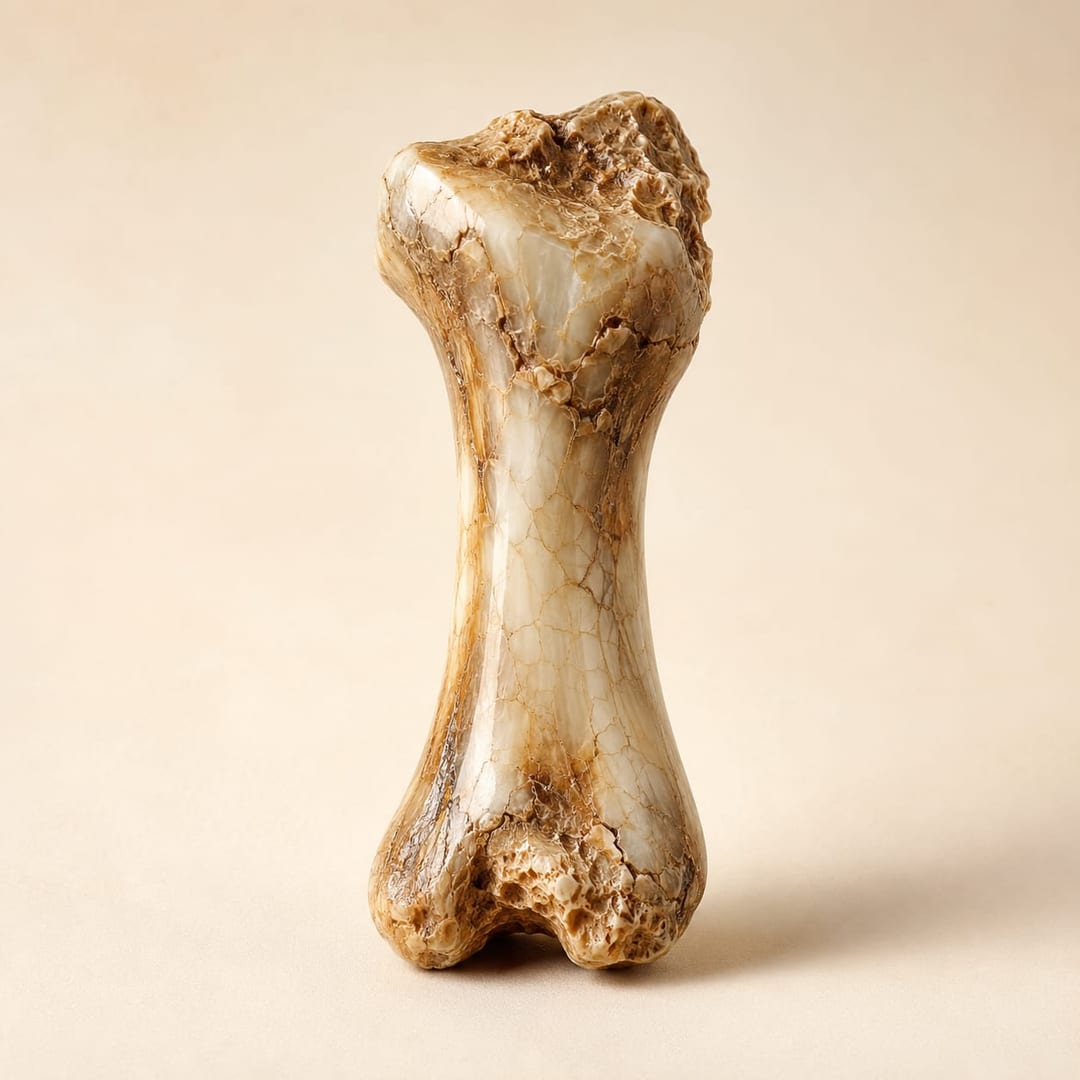
Bone Identifier
Reads pore structure, surface texture, and break patterns to separate skeletal material from stone, shell, wood, or coral.
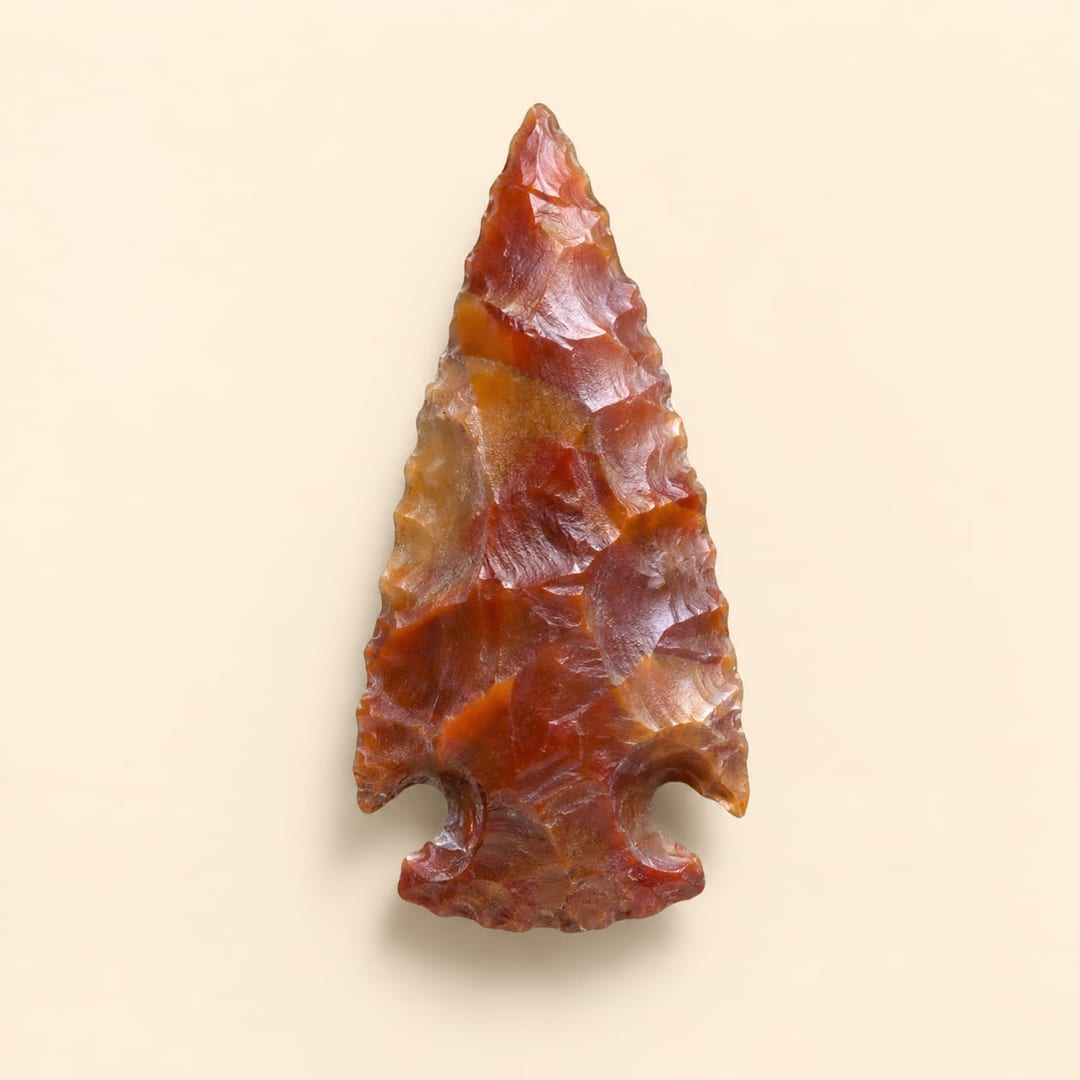
Arrowhead Identifier
Focuses on worked stone points and fragments where flaking and edge form matter more than outline alone.
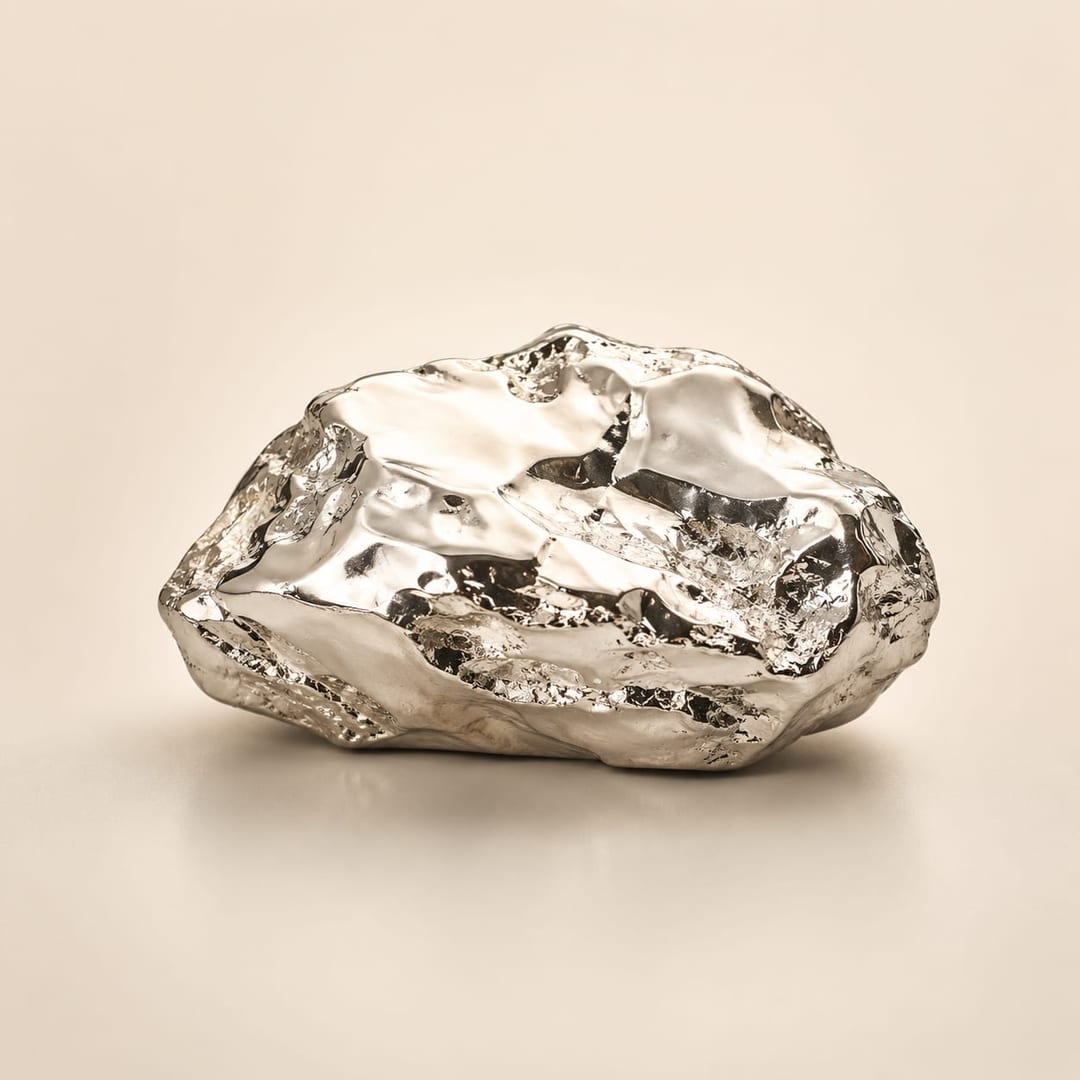
Metal Identifier
Combines visible wear, corrosion, marks, color, and optional magnetism or weight notes to narrow unknown metals.
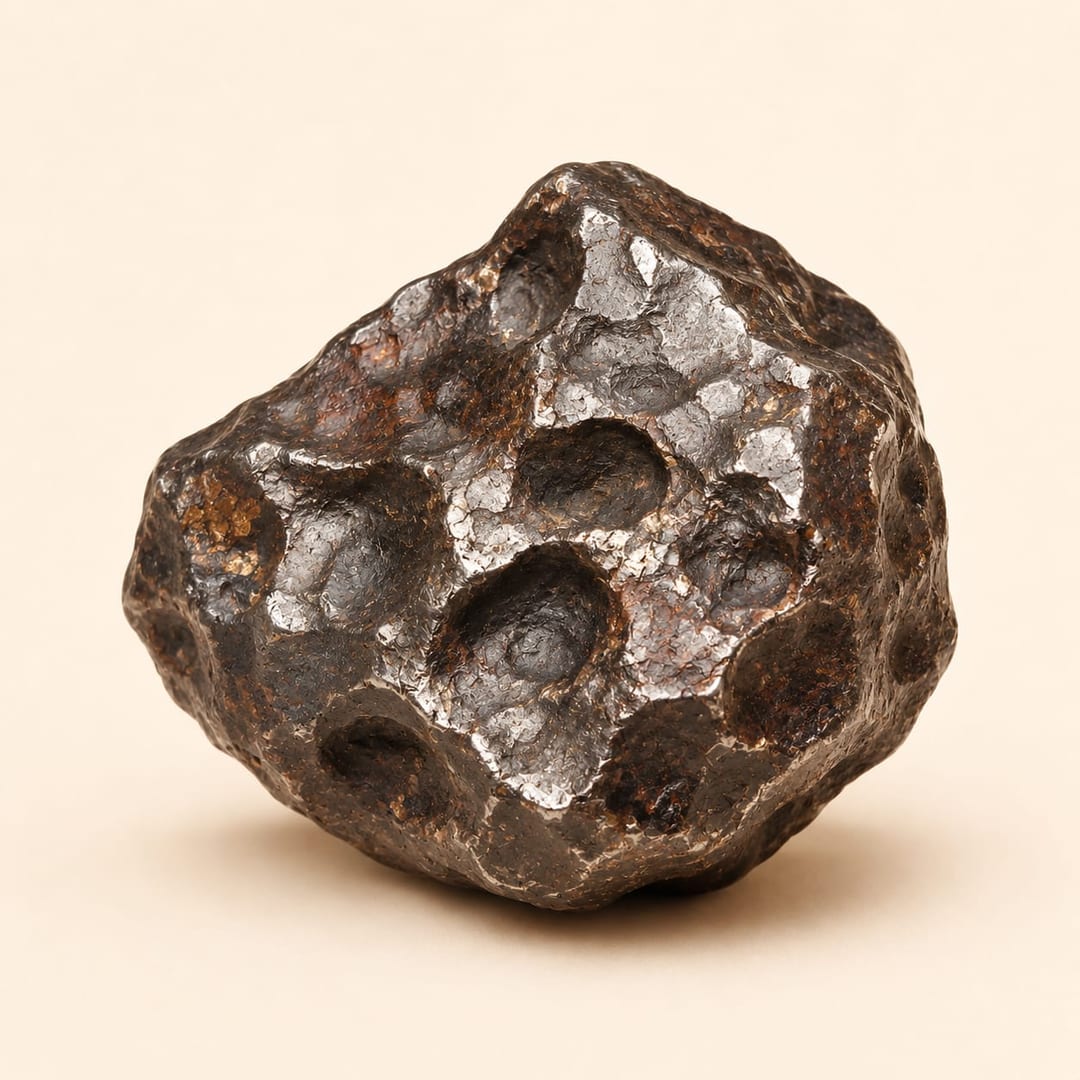
Meteorite Identifier
Screens unusual heavy stones against meteorite clues such as fusion crust, metal flecks, and terrestrial look-alikes.
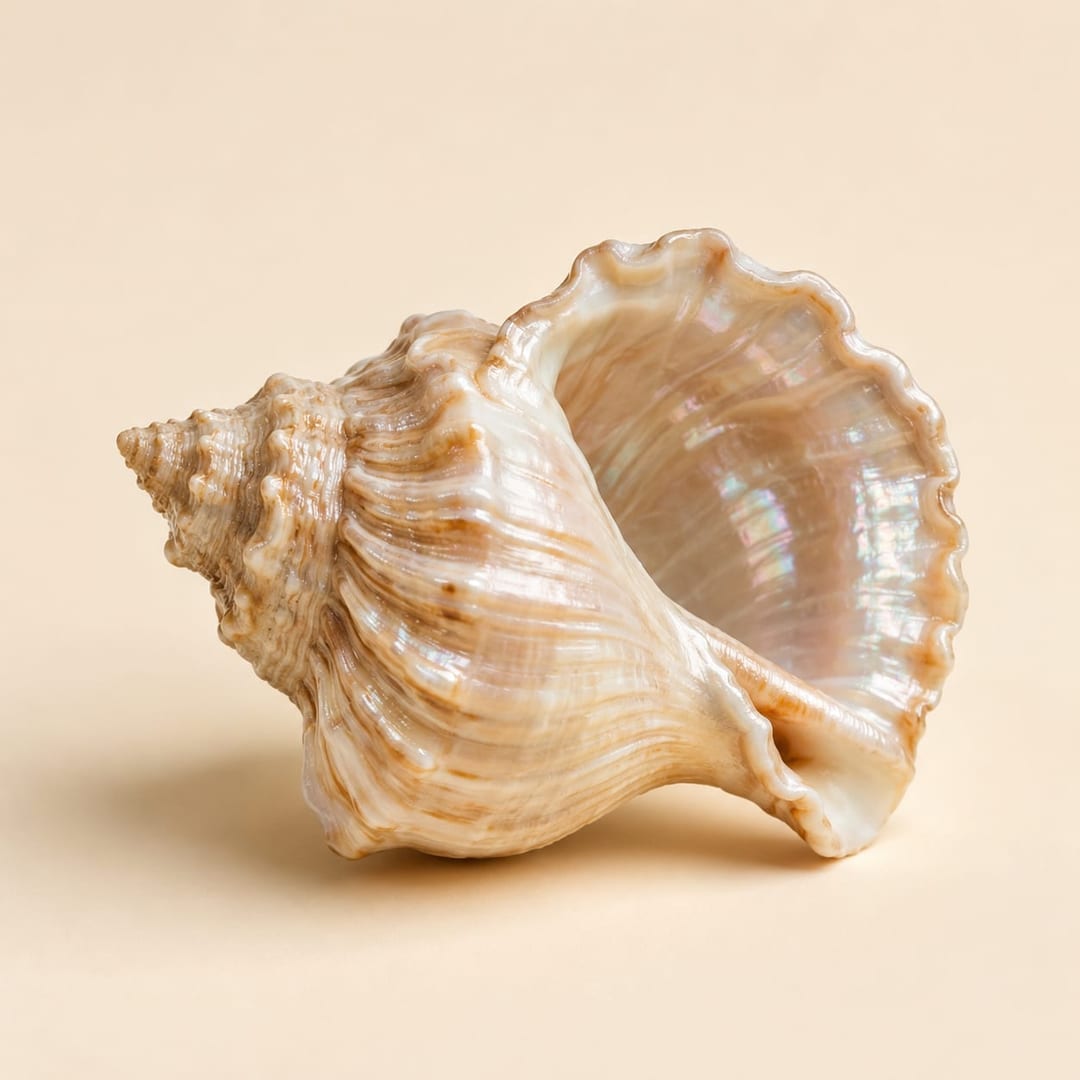
Shell Identifier
Uses shape, aperture, sculpture, and habitat context to narrow beach finds and marine specimens.
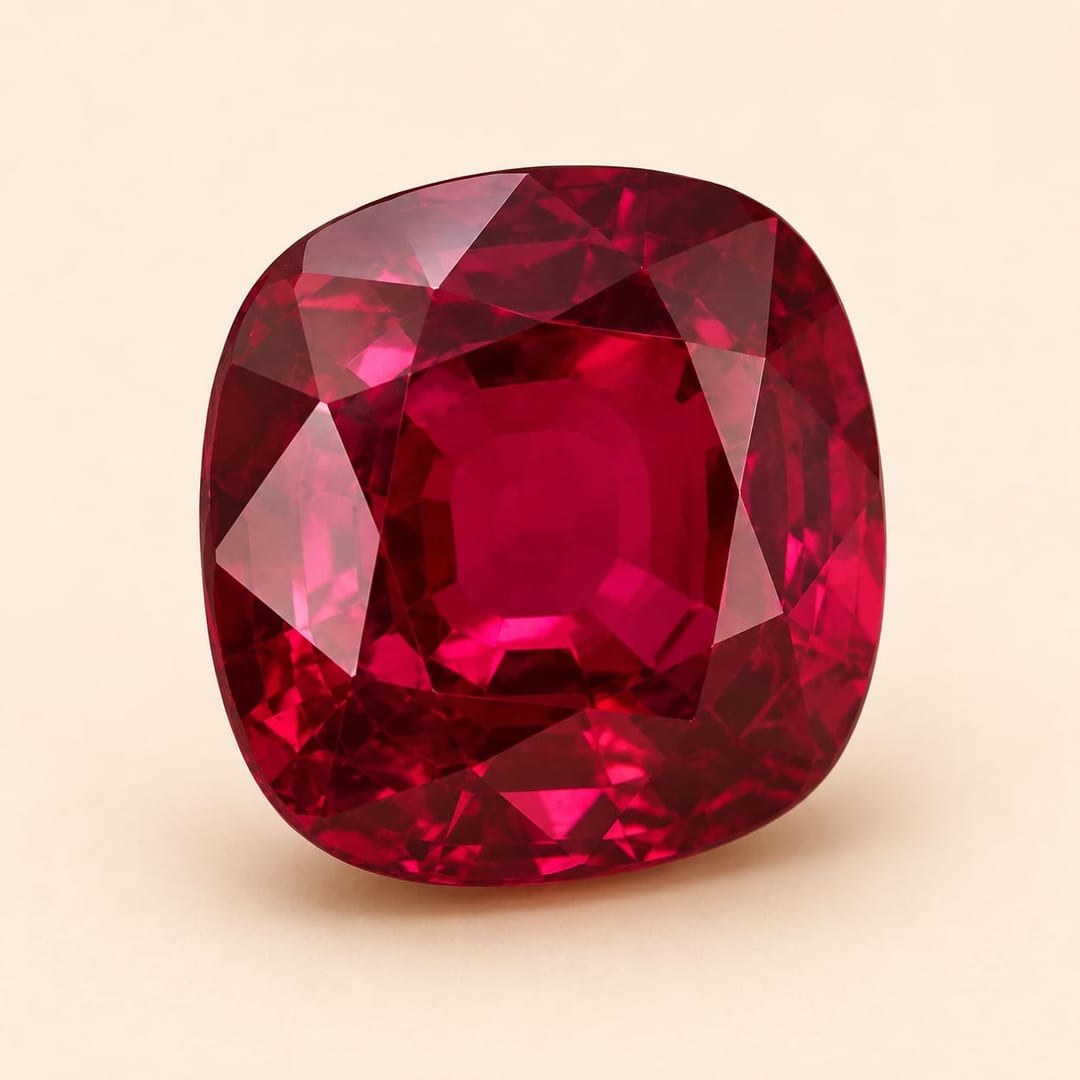
Gem Identifier
A plain-language read for loose or mounted gems, including likely identity, visible cut clues, and limits of photo-only judgment.
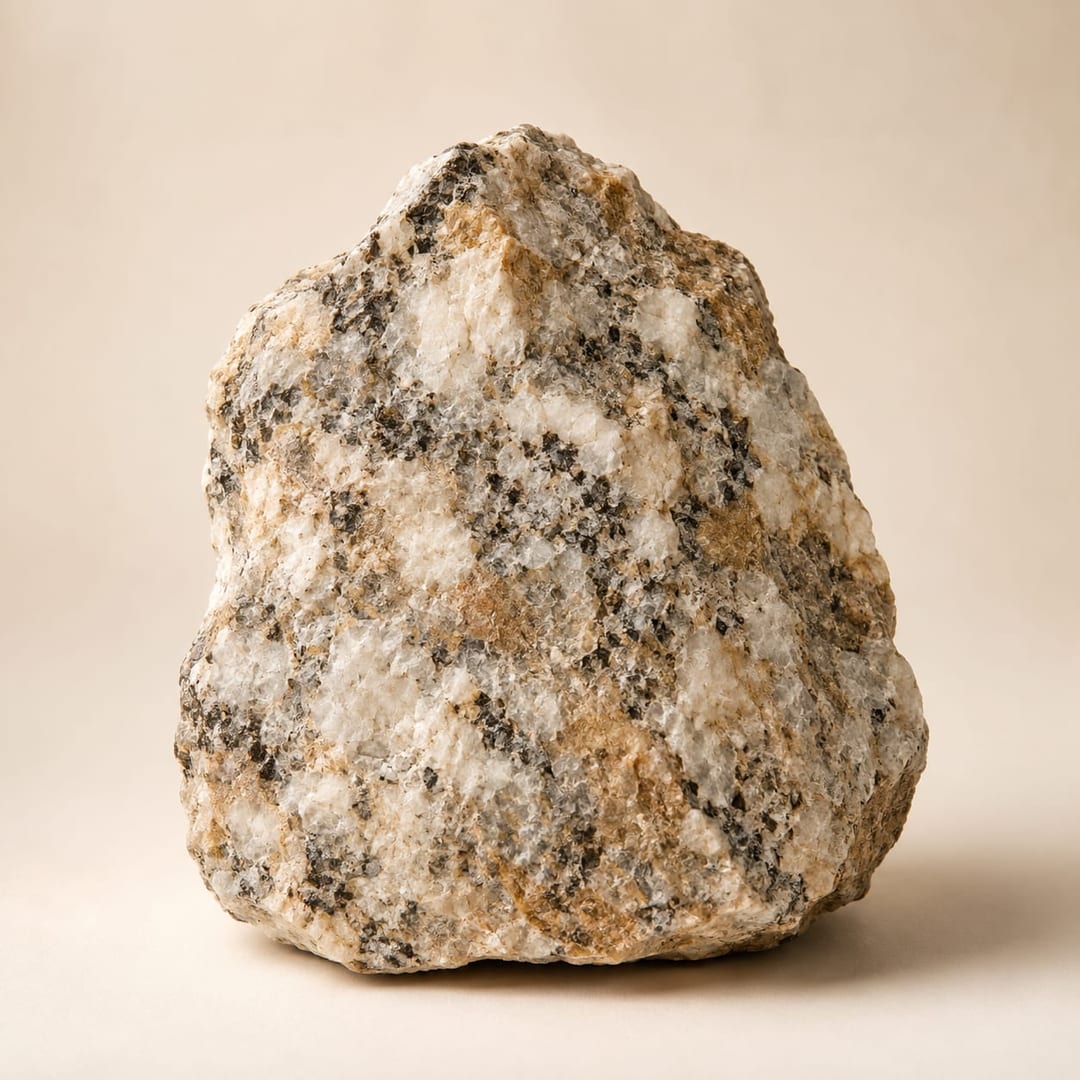
Granite Identifier
For countertops, building stone, and field rocks that look granitic, with emphasis on grain size and mineral mix.
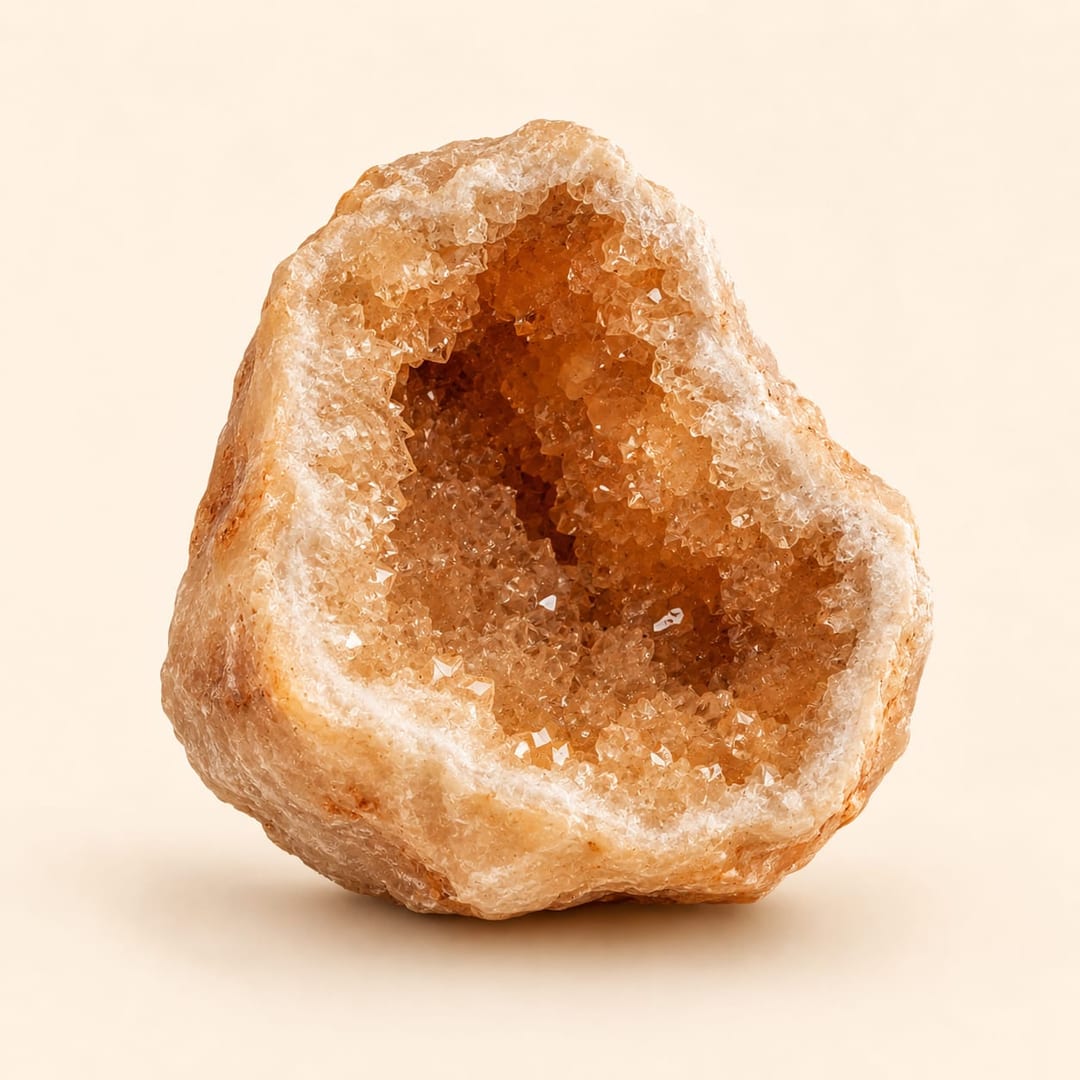
Geode Identifier
Focuses on hollow nodules, crystal-lined cavities, and banded interiors that can overlap with quartz, agate, or chalcedony.
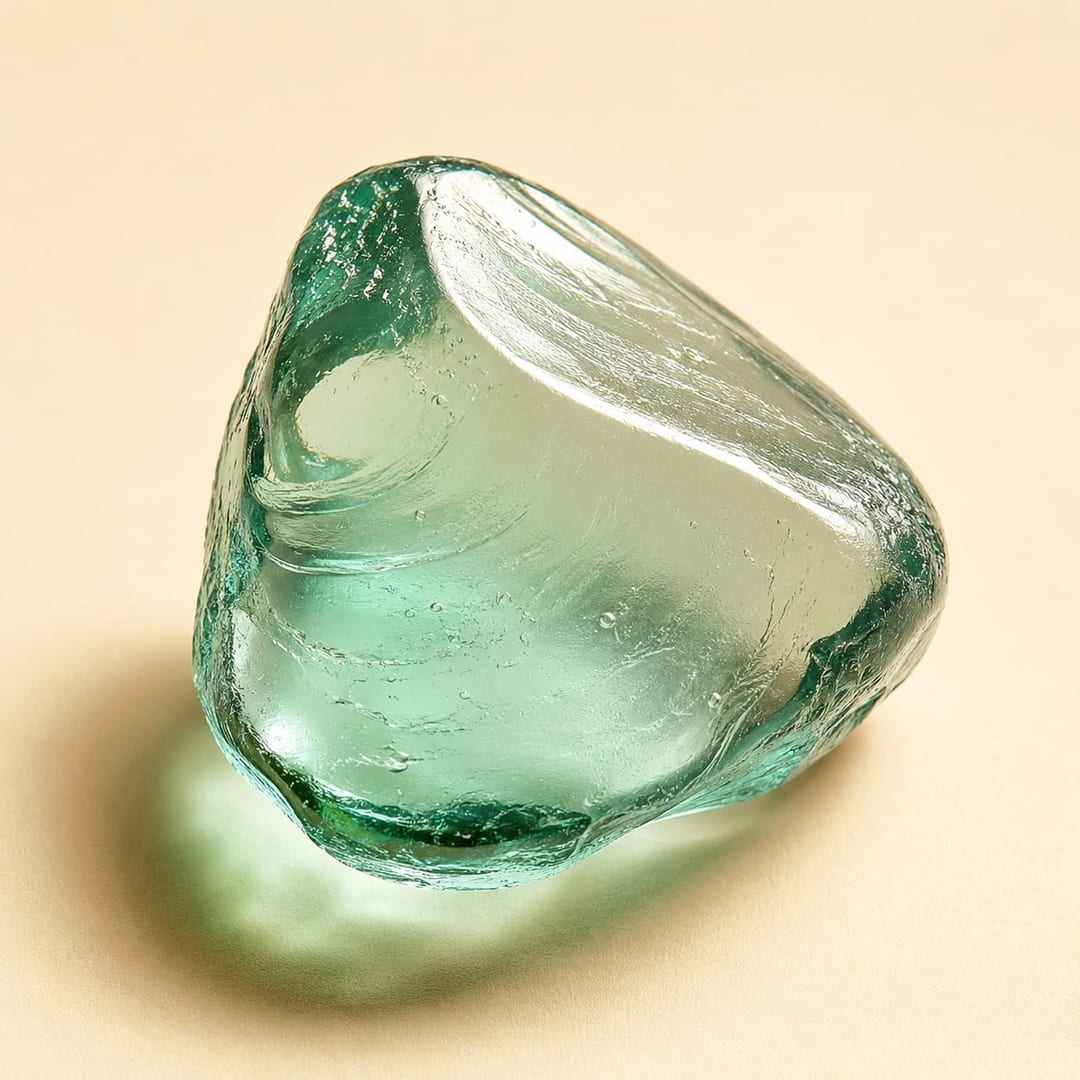
Glass Piece Identifier
Covers sea glass, slag, art glass, and crystal-like pieces where bubbles, wear, fracture, and color tell the story.
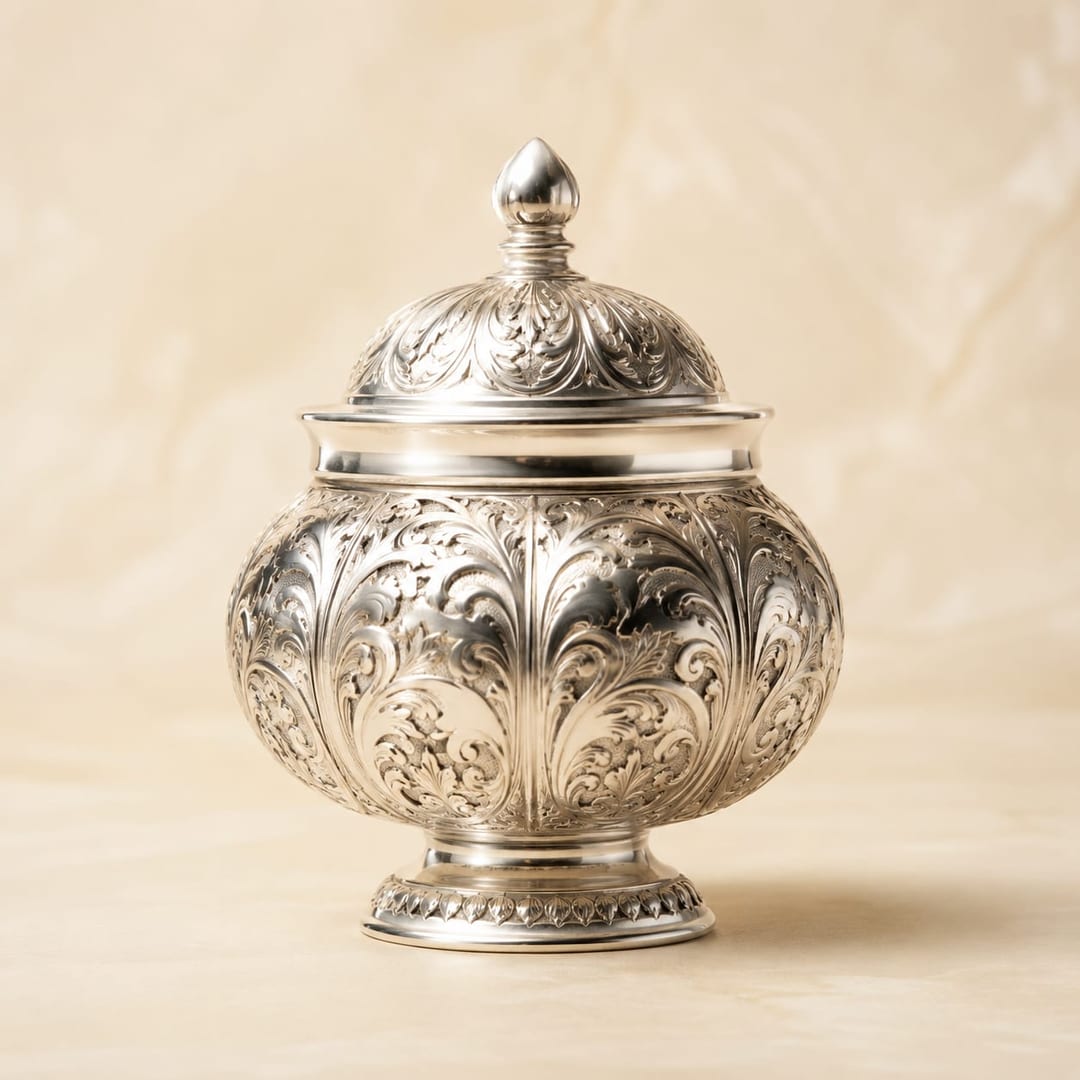
Silver Item Identifier
Reads marks, tarnish, construction, and surface tone on coins, jewelry, and flatware before any physical test.
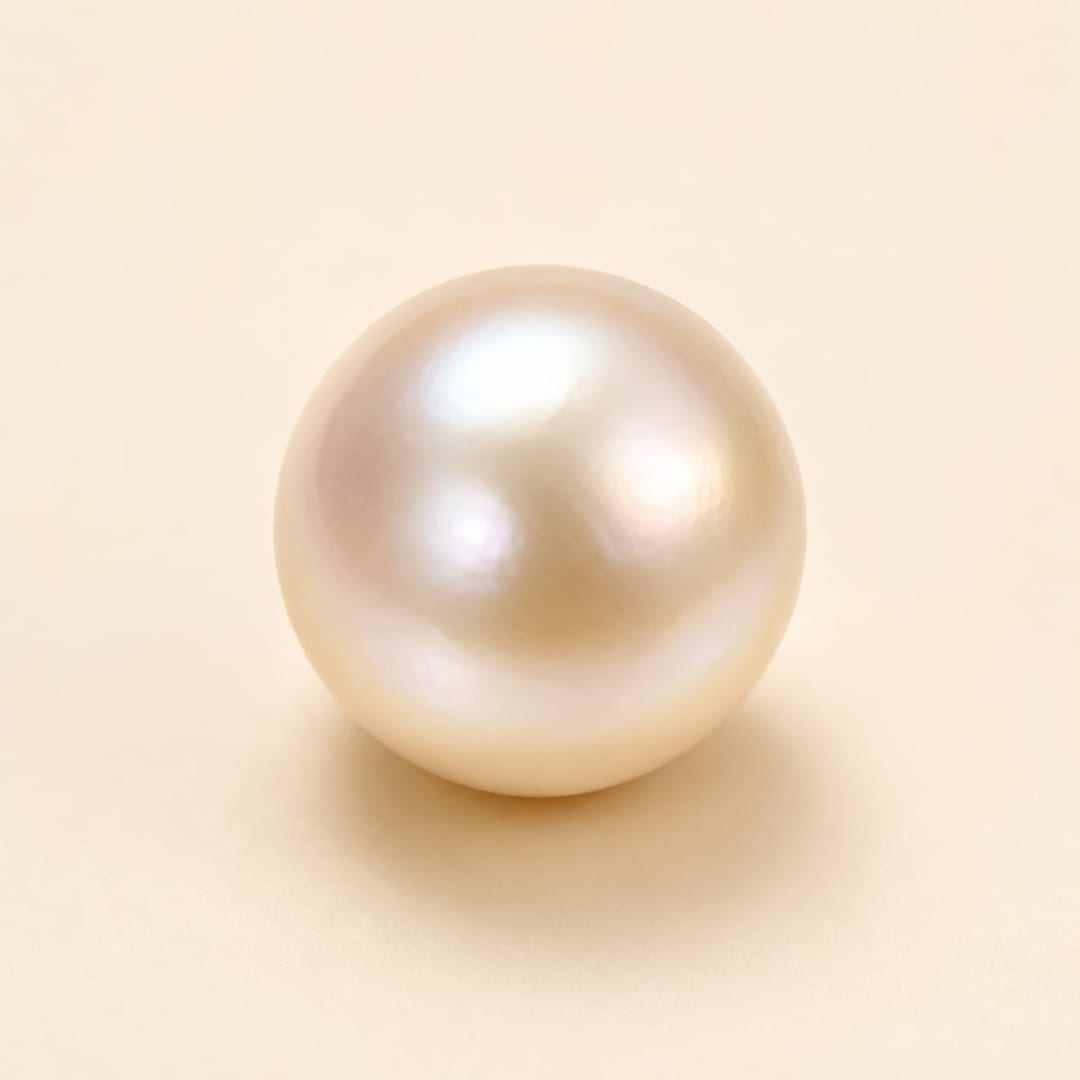
Pearl Identifier
Uses luster, shape, surface texture, and drill holes to separate natural, cultured, and imitation pearls.
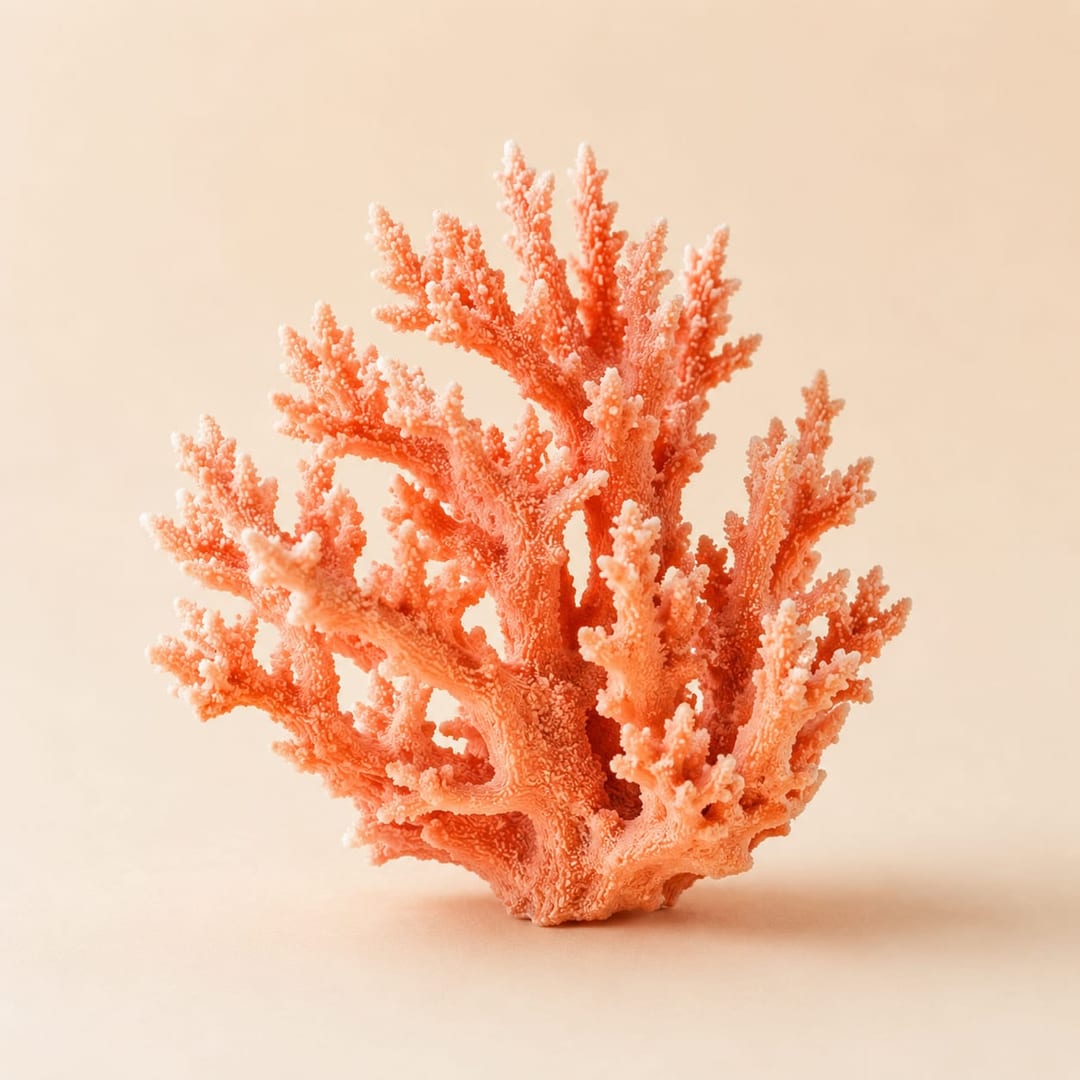
Coral Identifier
Looks beyond color to pore pattern, branching, and surface texture in coral-like pieces, reef specimens, and fossils.
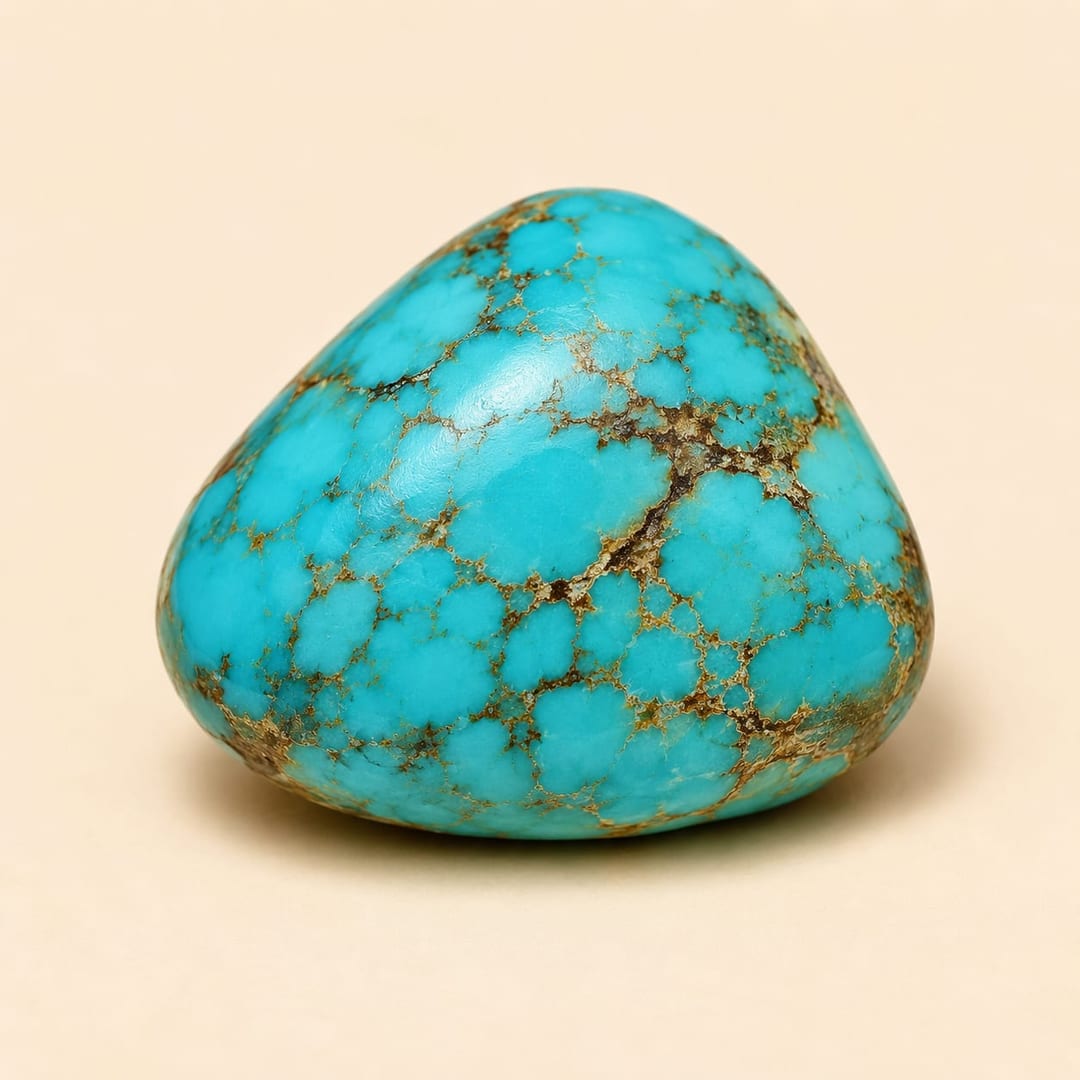
Turquoise Identifier
Uses matrix, surface texture, and color consistency to separate turquoise from dyed stones and common substitutes.
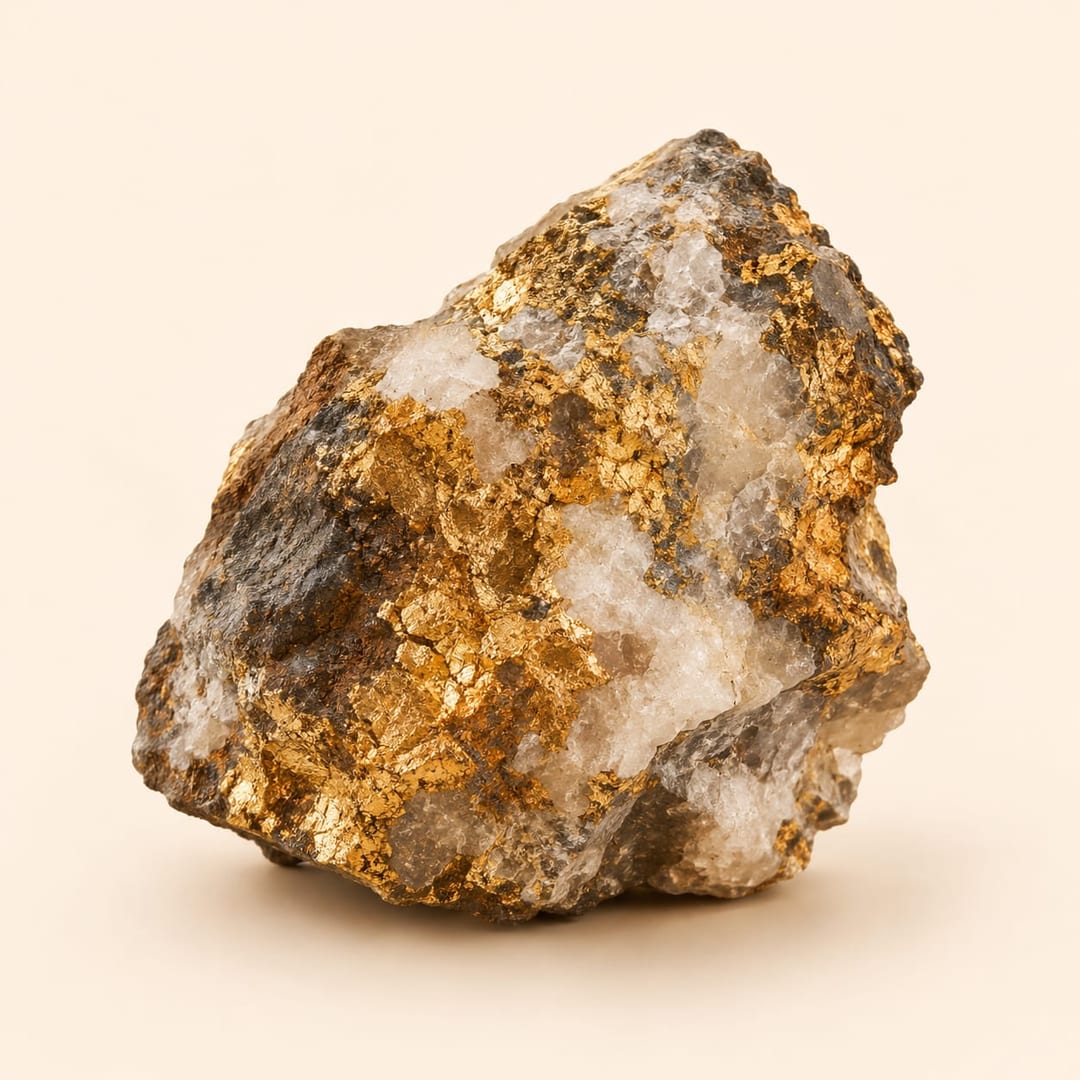
Ore Identifier
Useful for metallic or mineral-rich rocks where visible minerals and host-rock context hint at what the specimen may contain.
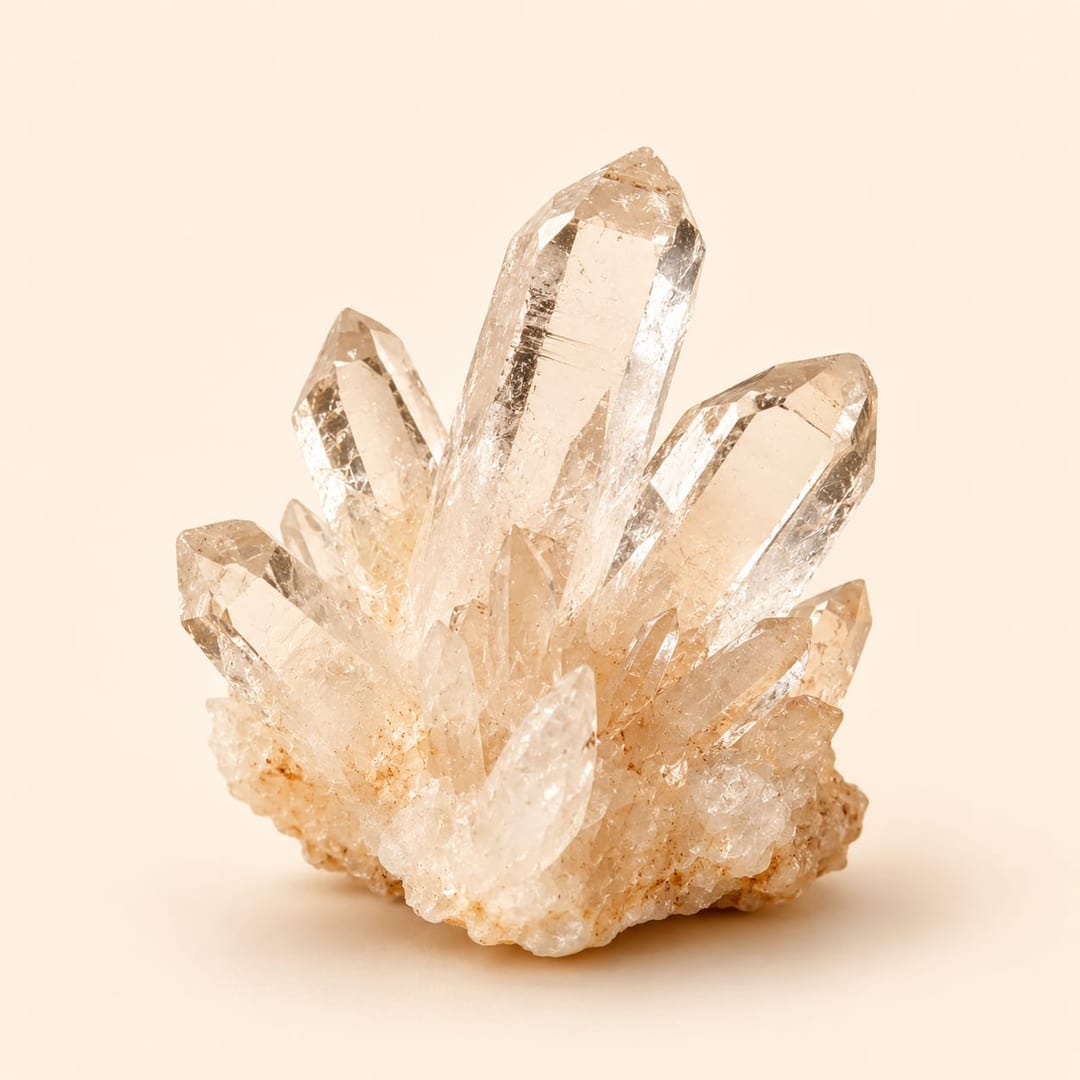
Quartz Crystal Identifier
Covers clear, smoky, rose, milky, and included quartz, plus the glass and calcite look-alikes often confused with it.
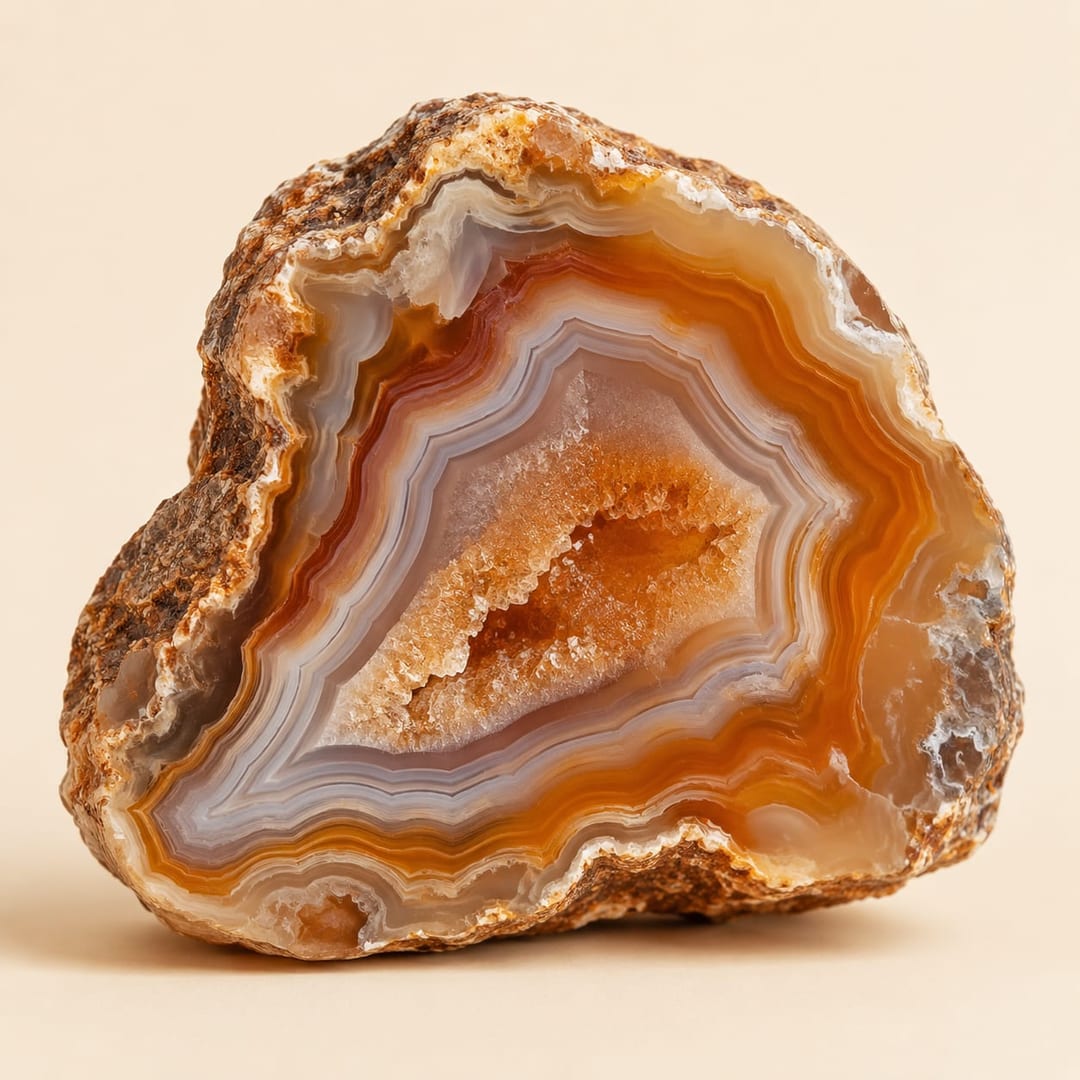
Agate Identifier
Best for banded chalcedony, nodules, and polished pieces where pattern and translucency reveal the variety.
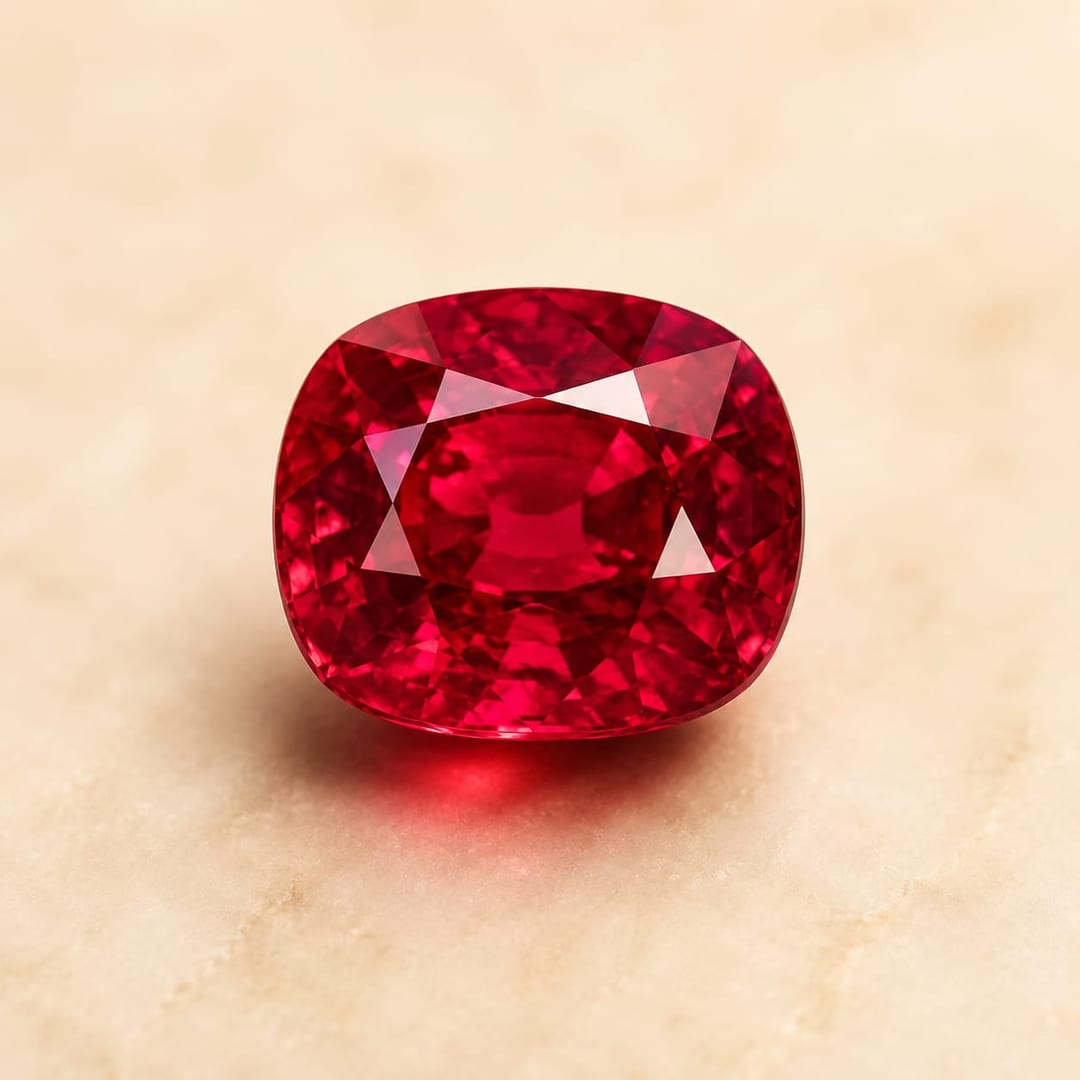
Ruby Identifier
Looks at red gemstones in context, especially hue, transparency, inclusions, and common ruby look-alikes.
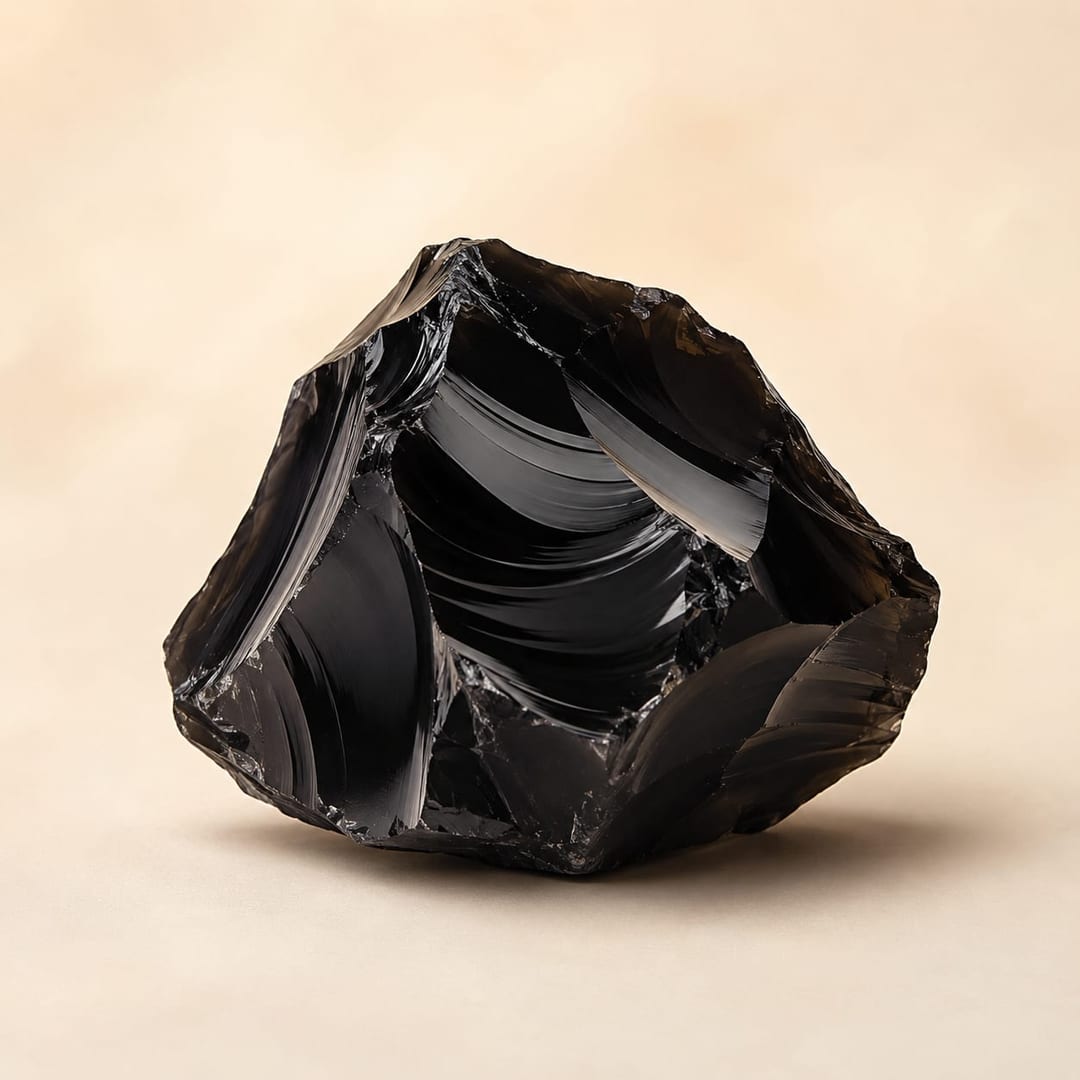
Obsidian Identifier
Separates dark glassy stones by sharp fracture, edge translucency, luster, and volcanic context.
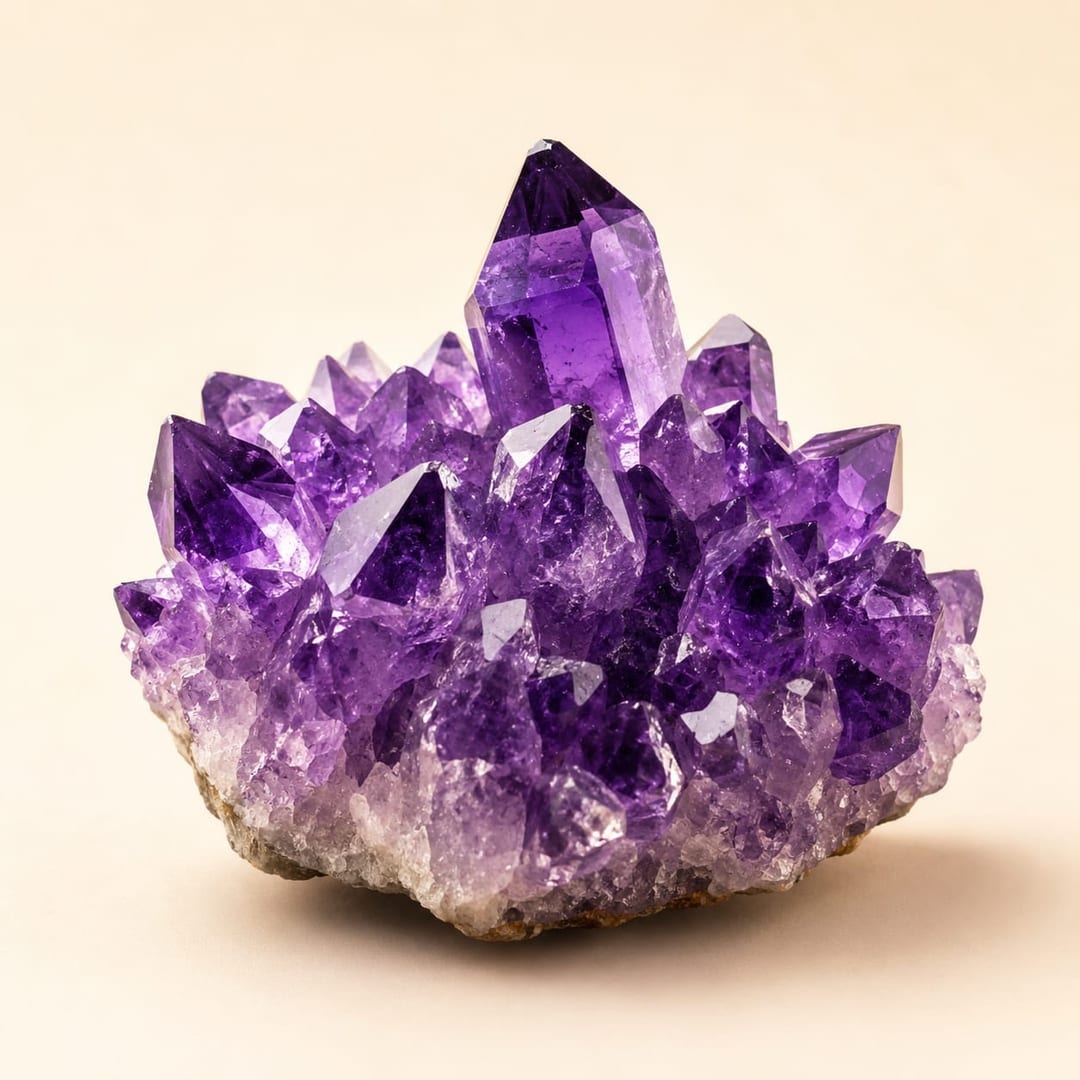
Amethyst Identifier
Built around purple quartz: crystal points, geodes, color zoning, inclusions, and signs of treatment.
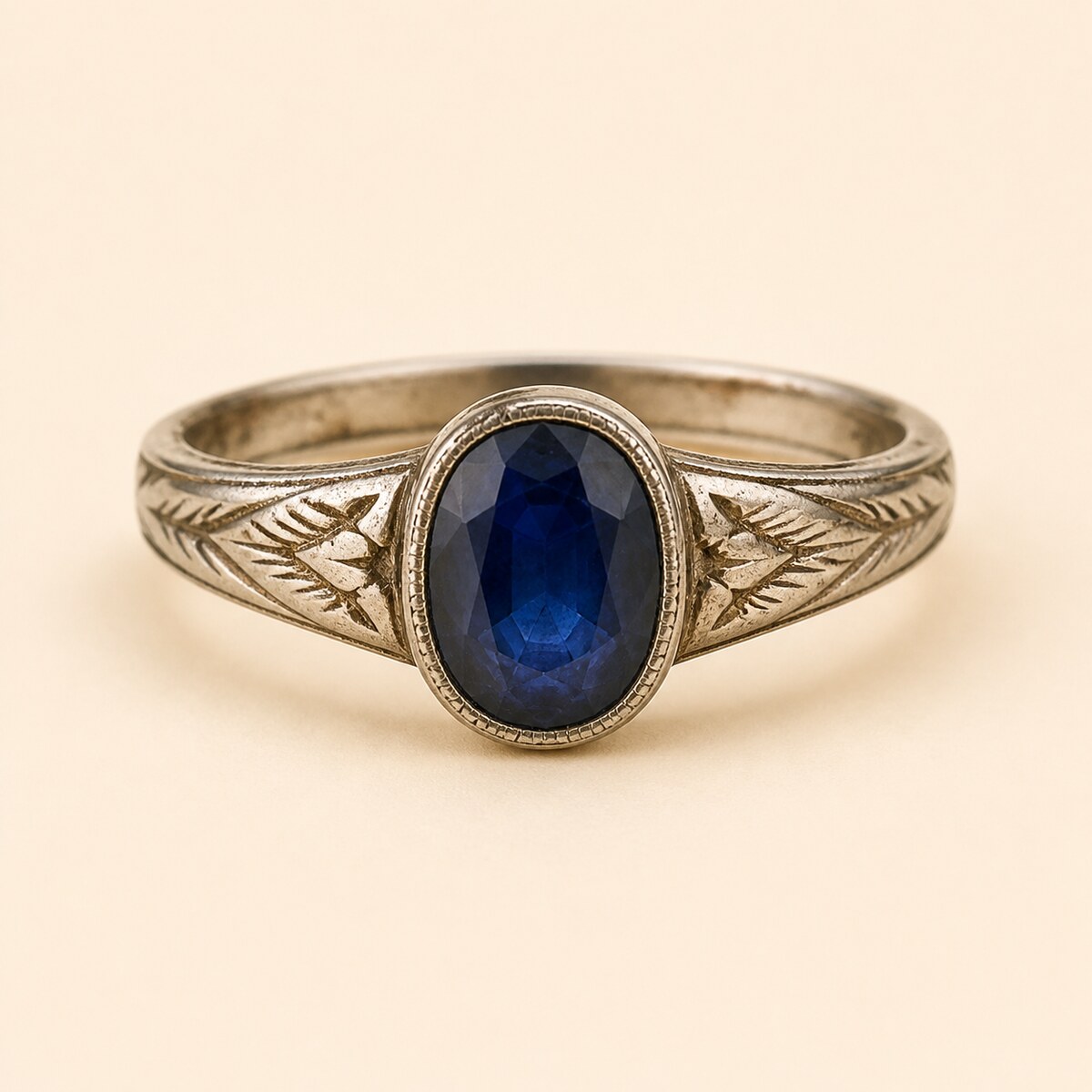
Jewelry Identifier
Reads rings, necklaces, brooches, and other pieces for the style, construction, and mark clues worth researching before you act on value.
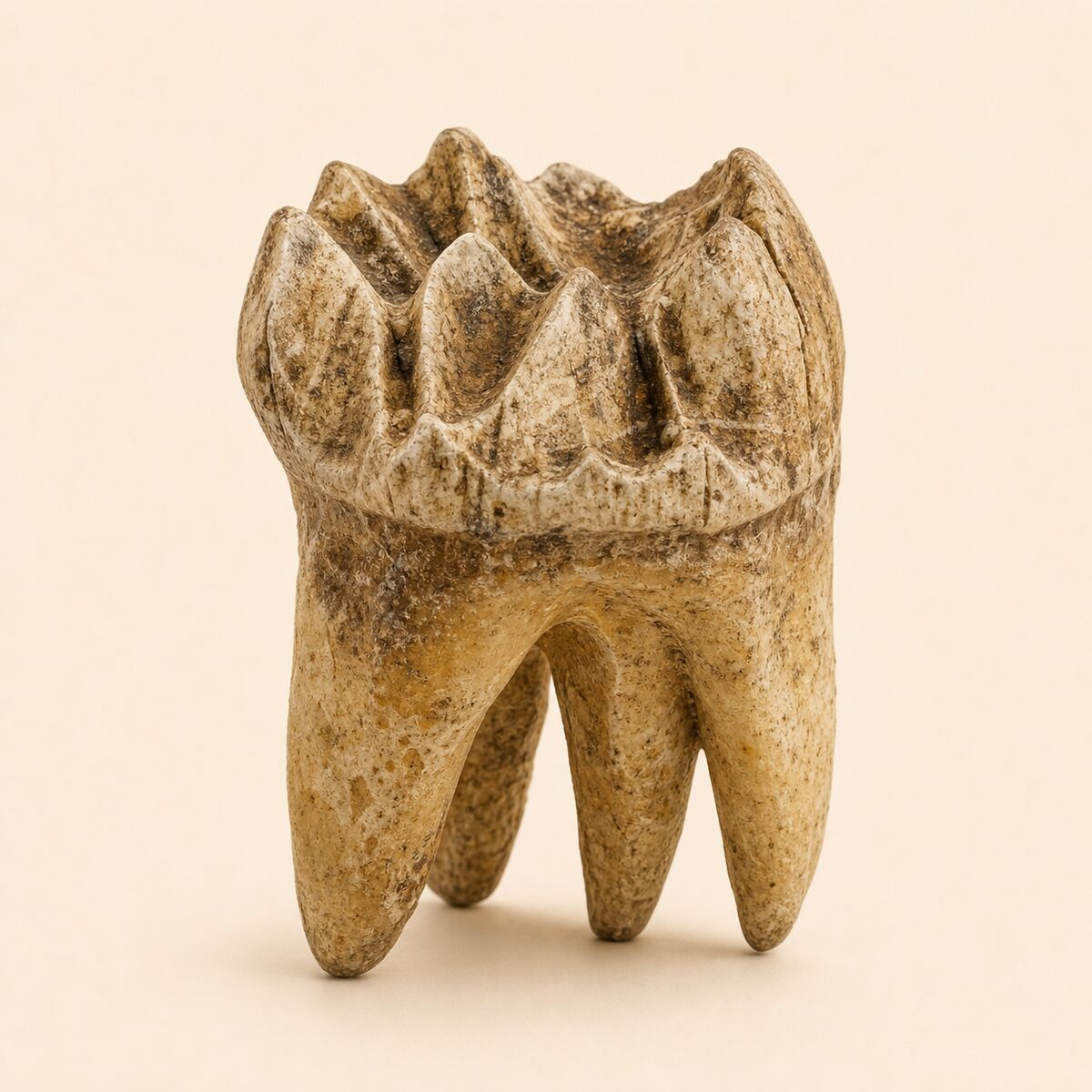
Tooth Identifier
A photo-first guide to loose teeth and jaw pieces. It looks at crown shape, cusps, roots, size, and where you found it to narrow down the animal.
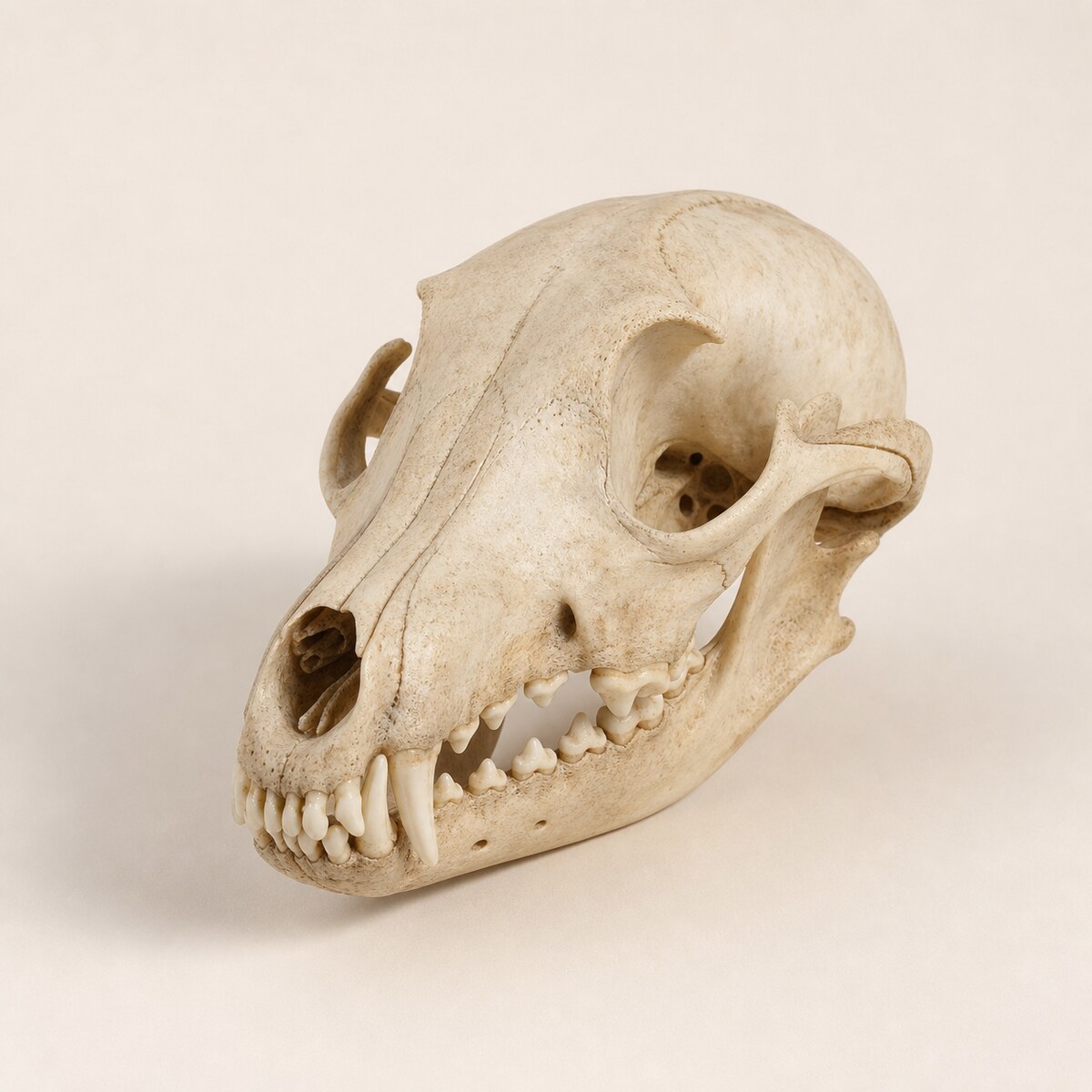
Skull Identifier
A photo-first starting point for skulls and loose jaws when you want a likely animal and the next features to check.
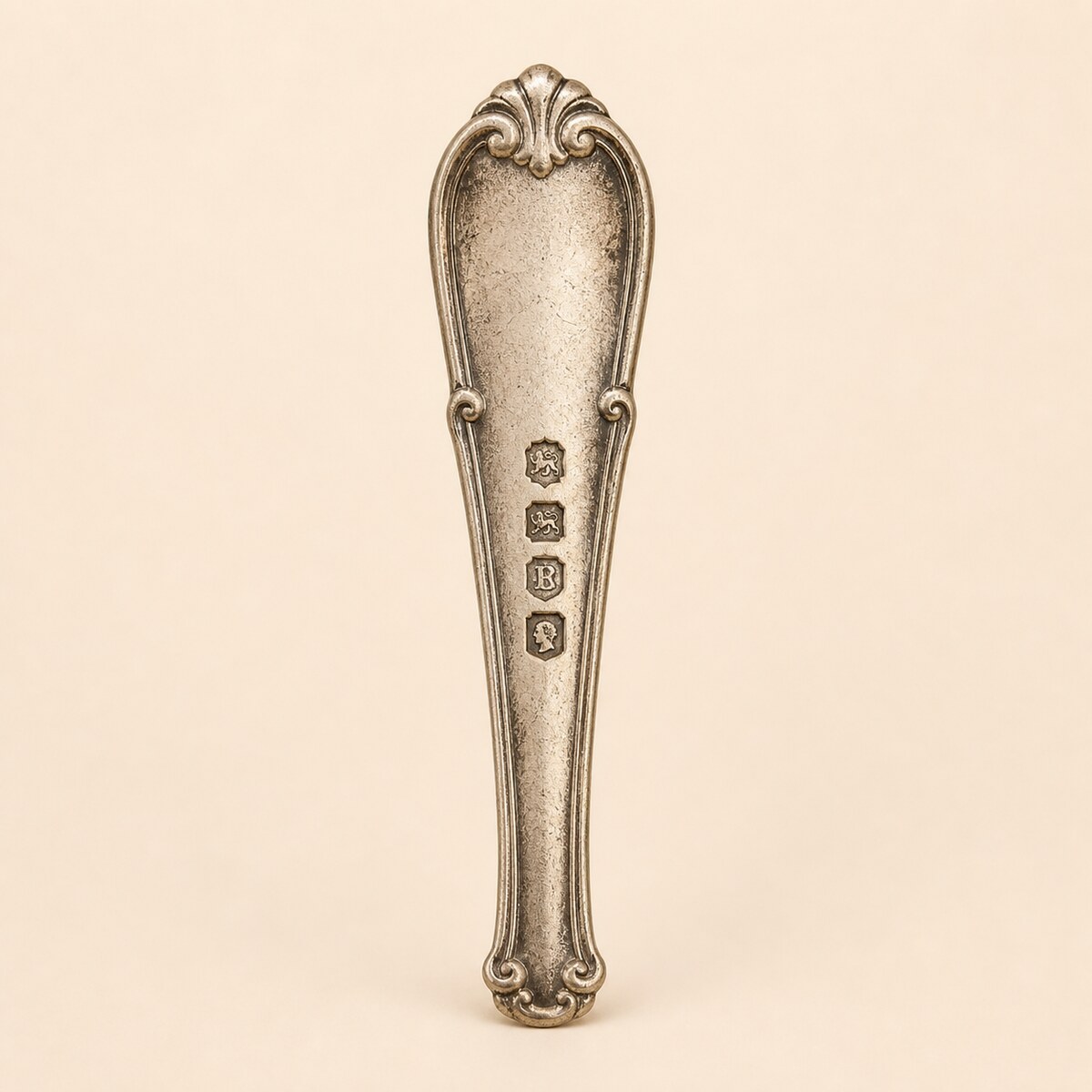
Silver Hallmark Identifier
Decodes stamped mark groups on silver and plate: purity numbers, assay symbols, date letters, and maker initials.
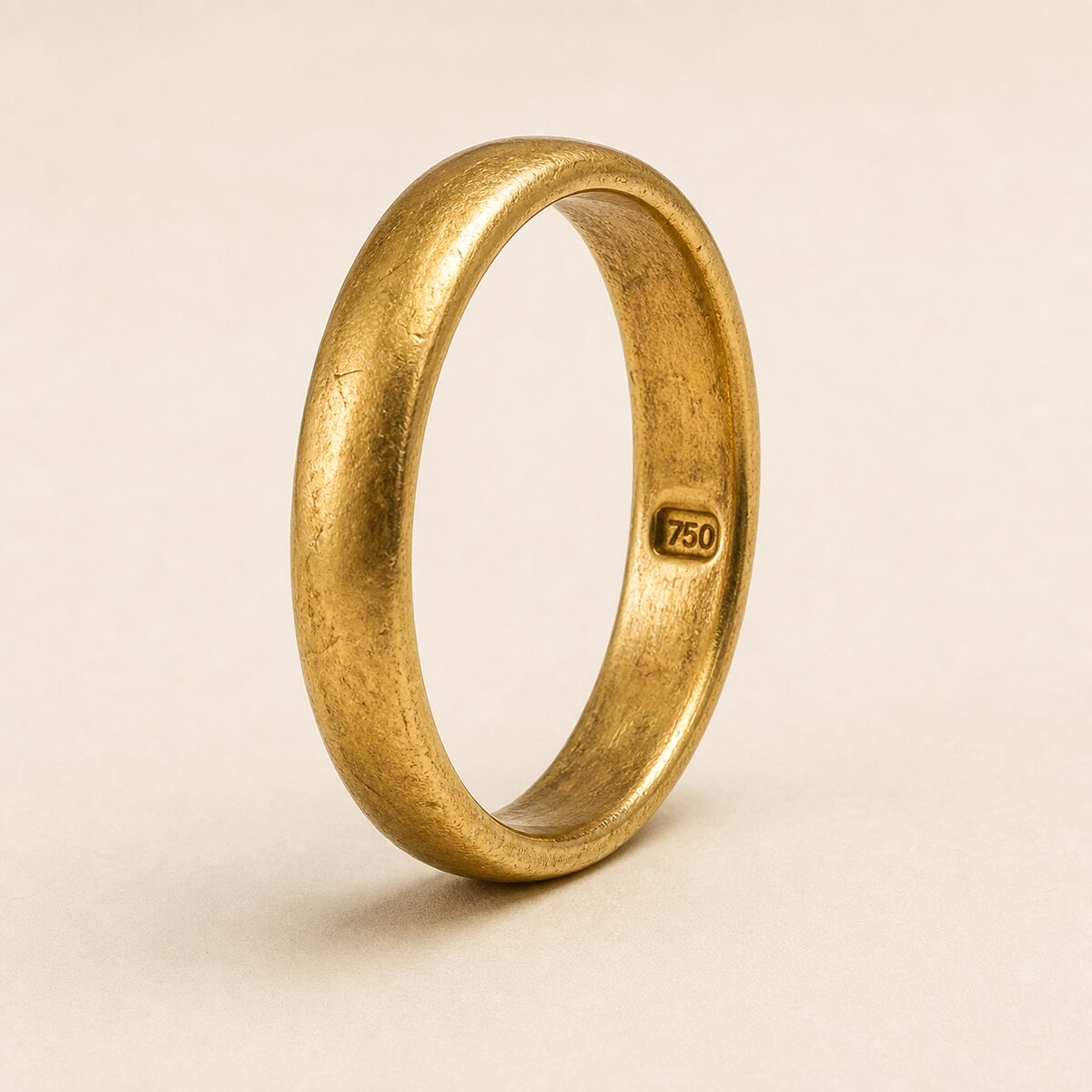
Gold Hallmark Identifier
Reads the stamp cluster on gold jewelry and other gold articles — purity numbers, office symbols, maker initials — and explains what each mark suggests.