Metal Identifier
Instantly analyze and classify ferrous and non-ferrous metals using advanced AI technology directly in your browser.
Identification form
Upload metal photos
Clear, well-lit images help the AI identify it more accurately.
Unlock Unlimited Access
- Unlimited Identifications
- Unlimited AI Chat Messages
- Save and Organize Your Collection
How to Identify Metal
- 1
Snap a Clear Photo
Click "Upload Images" to select a photo of the object. For the most accurate metal analysis, ensure the item is clean (if possible) and photographed under neutral lighting to reveal its true color and luster.
- 2
Capture Surface Details
Upload close-up shots that show the surface texture. Capture any rust, oxidation, hallmarks, stamps, or scratches, as these imperfections often indicate the base material (e.g., green patina suggests copper or bronze).
- 3
Provide the Location
Tell us where the item was discovered. Context matters—a piece found on a saltwater beach might corrode differently than one found in a dry warehouse.
- 4
Add Physical Observations
Input invisible traits to refine the AI's logic. Note if the item is magnetic (ferrous), how heavy it feels relative to its size (density), and if it is pliable or brittle.
- 5
Get Instant Results
Click "Identify Metal" to process the data. Our system compares your images against a database of metallurgical textures and colors to suggest the most likely material type.
Ready to identify it?
Upload one or more clear photos to get started.
Visual Characteristics of Common Metals
Identifying various materials solely by their appearance is a skill that combines metallurgical science with visual observation. While professional labs use spectrometers, you can learn a lot just by looking at the surface characteristics. The primary visual cue is color. For example, copper has a distinct reddish-orange hue, while brass—an alloy of copper and zinc—appears more yellow, mimicking gold. Bronze often looks darker and duller than brass.
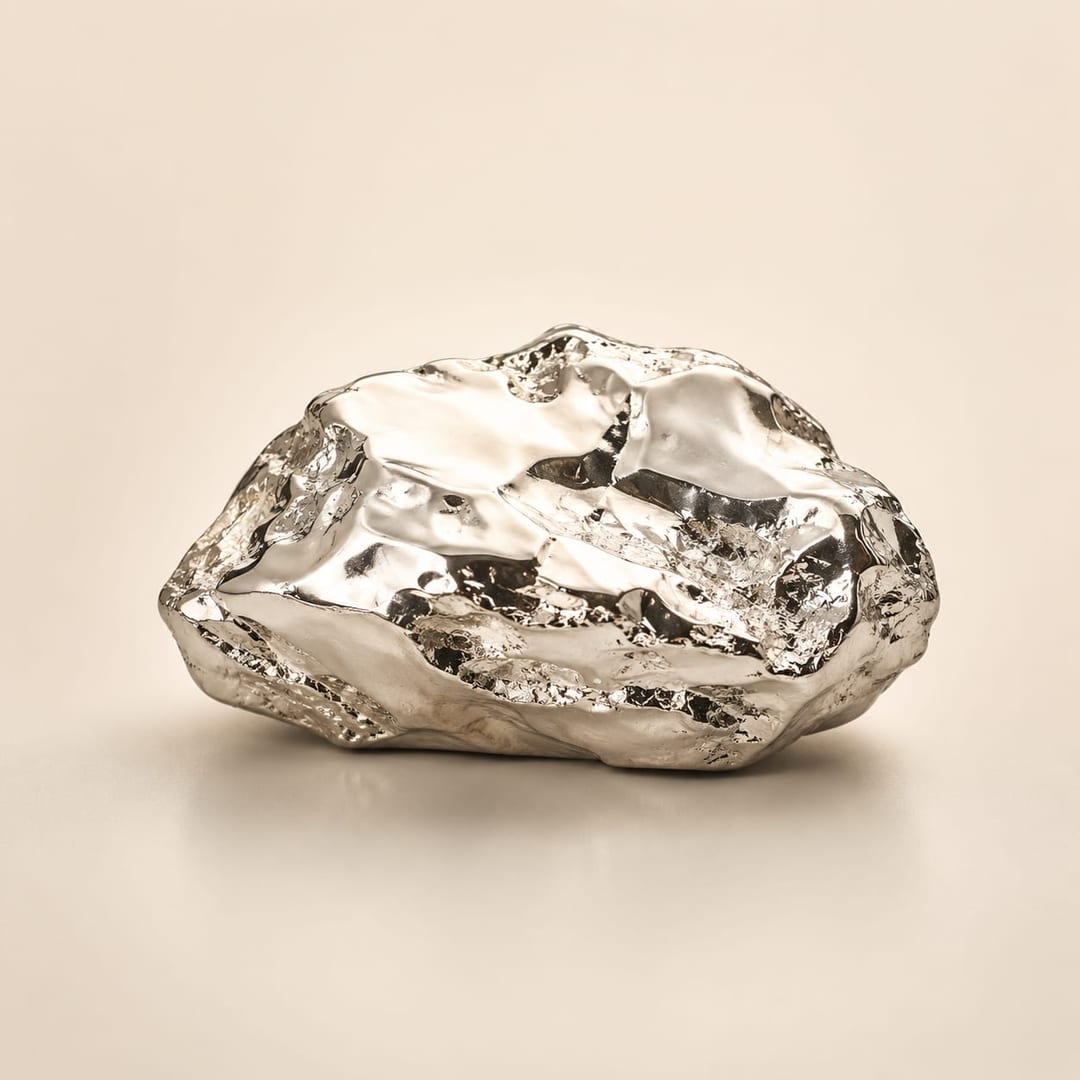
Another critical visual factor is luster, or how the surface interacts with light. Precious materials like silver and gold maintain a high shine and do not tarnish in the same way that iron does. Aluminum, while silver in color, usually has a duller, more matte finish compared to the bright, mirror-like finish of stainless steel or chrome plating. Recognizing these subtle differences in light reflection can significantly narrow down the possibilities before you even pick up a magnet.
Decoding Rust and Patina Patterns
One of the most reliable ways to distinguish between materials is by observing how they age. Oxidation occurs when a material reacts with oxygen and moisture in the air, creating a new layer on the surface. This layer is often a dead giveaway for the underlying element. Ferrous materials like wrought iron and carbon steel will develop reddish-brown flakes known as rust. This structure is destructive and eats away at the object.
In contrast, non-ferrous materials react differently. Copper and its alloys (bronze and brass) develop a layer called patina, which often appears as a sea-green or turquoise crust known as verdigris. This layer actually protects the object from further corrosion. Aluminum oxidizes as well, but it forms a thin, white, powdery coating that is often hard to see but feels chalky to the touch. Recognizing these specific corrosion colors—red for iron, green for copper, white for aluminum, and black tarnish for silver—is essential for accurate categorization.
Ferrous vs. Non-Ferrous: The Big Divide
In the world of scrapping and recycling, the most important distinction is between ferrous and non-ferrous materials. Ferrous metals contain iron and are almost always magnetic. This category includes mild steel, carbon steel, cast iron, and wrought iron. These are typically less valuable by weight but are found in massive quantities in appliances, vehicles, and structural beams. Because they contain iron, they are prone to red rust.
Non-ferrous materials do not contain significant amounts of iron and are generally not magnetic. This group includes aluminum, copper, lead, zinc, and tin, as well as precious elements like gold and silver. These are usually more resistant to corrosion and conduct electricity better, making them more valuable in recycling markets. When using a visual scanner, combining the visual result with a simple magnet check allows for near-perfect accuracy. If the scanner says "Steel" and a magnet sticks to it, you have confirmed the finding.
Applications for Scrapping and Collecting
For hobbyists, antique hunters, and scrappers, knowing exactly what you have found can mean the difference between a few cents and a significant payout. Scrapyards rely on precise categorization. Mixing dirty aluminum with clean aluminum, or confusing brass with copper, can lower the price you receive for your haul. A digital helper can assist in sorting these piles efficiently before you load up your truck.
Furthermore, for antique collectors, identifying the base material is crucial for authentication. Many vintage items are plated; for example, a tray might look like solid silver but is actually silver-plated copper (Sheffield Plate). By looking for wear spots where the base layer shows through—perhaps a reddish tint indicating copper—you can determine the true value of the piece. Using technology to zoom in on these wear patterns or to read faint manufacturer stamps helps verify if an item is solid precious metal or merely costume jewelry.
Put what you’ve learned to use
Upload your photos and compare the suggested match with the features you observed.
Frequently Asked Questions
Is this metal identifier free to use?
Yes, the metal identifier is free to use, with a generous daily allowance of identifications and no sign-up required. For unlimited identifications, unlimited AI chat, and saved collections, you can upgrade to IdentifyRock Unlimited.
Do I need to download an app to use this?
No, you do not need to download or install any software. This tool works entirely in your web browser, making it accessible from mobile phones, tablets, and desktop computers instantly.
Is account registration required?
No sign-up is required. We believe in providing immediate access, so you can start identifying objects right away without creating an account or providing an email address.
How accurate is AI at identifying metals by picture?
The AI is highly effective at recognizing visual characteristics such as color, luster, oxidation patterns (rust vs. patina), and surface texture. However, for 100% certainty—especially with precious metals—we recommend combining visual results with physical tests like magnetism or acid testing.
Can it tell the difference between real gold and fake gold?
The system analyzes surface appearance and can identify common imitations like pyrite or plated brass based on color and wear. However, visual analysis alone cannot guarantee metal purity or authenticity without physical testing.
Does this tool work on rusty or corroded objects?
Yes, in fact, rust and corrosion are excellent identifiers. Iron oxidizes into a red/orange rust, copper turns green (verdigris), and aluminum oxidizes into a white powder. The AI uses these signs to help determine the base material.
Is there a limit to how many items I can identify?
The free version includes a generous daily allowance of identifications, enough for most searches. To check items without a daily cap, plus unlimited AI chat and saved collections, scrappers, hobbyists, and antique hunters can upgrade to IdentifyRock Unlimited.
Can I use this for scrap metal sorting?
Absolutely. It is a great resource for sorting scrap into basic categories like ferrous (iron/steel) and non-ferrous (aluminum, copper, brass) piles before heading to the yard.
Does it work on coins and jewelry?
Yes, it can analyze coins and jewelry. For best results with these items, try to zoom in on any visible hallmarks, stamps, or areas where the plating might be worn off.
What if the metal is painted?
Paint can obscure the visual data needed for analysis. If possible, look for a scratch or a chip in the paint where the raw material is visible and photograph that area for better results.
How does the AI verify the metal type?
The technology uses computer vision models trained on thousands of metallurgical samples. It looks for specific reflectivity, color hues, and texture irregularities that are unique to specific elements and alloys.
Is it safe to touch unidentified metals?
Generally yes, but use caution. Avoid cutting yourself on sharp, rusty edges (risk of tetanus) and wash your hands after handling lead or unknown industrial scraps. If an object looks like unexploded ordnance, do not touch it and contact authorities.
Ready to give it a try?
Upload your photos for an AI-assisted best match.