Glass Identifier
Instantly decode the history of your glassware, sea glass, and crystal with advanced AI analysis.
Identification form
Upload glass piece photos
Clear, well-lit images help the AI identify it more accurately.
Unlock Unlimited Access
- Unlimited Identifications
- Unlimited AI Chat Messages
- Save and Organize Your Collection
How to Identify Glassware and Shards
- 1
Snap a Clear Photo
Click "Upload Images" to select a picture. For transparent objects, a neutral background (like grey or white) is essential. Avoid flash reflection; natural, diffused light works best to show the true color.
- 2
Capture Details & Angles
Upload multiple angles. Close-ups of the base (to see pontil marks or wear), the rim, and any etched patterns are crucial. If there is a maker's mark or signature, ensure it is in focus.
- 3
Provide the Location
Mention where the item was discovered. Context matters—a piece found on a beach (sea glass) requires different analysis than a pristine vase found at an estate sale.
- 4
Add Observations
Input physical traits that the camera might miss. Note the weight (is it heavy like lead crystal?), the sound it makes when tapped, and if there are visible mold seams or bubbles within the material.
- 5
Get Instant Results
Click "Identify Glass" to start. Our system compares your images against extensive databases of art glass, manufacturers, and geological patterns to provide a detailed match.
Ready to identify it?
Upload one or more clear photos to get started.
The Art of Analyzing Antique Glassware
Discovering the origins of a beautiful vase or a peculiar bowl can be a thrilling experience for collectors and casual hobbyists alike. The world of glassware is vast, spanning centuries of manufacturing techniques, from hand-blown ancient vessels to mass-produced depression-era kitchenware. Successfully determining the lineage of a piece often requires looking beyond the obvious shape and examining the subtle clues left by the artisan or the machine.
When you begin analyzing a specimen, the first step is often determining the method of manufacture. Was the item blown into a mold, pressed by a machine, or free-blown by a skilled worker? These techniques leave distinct evidence, such as mold seams or pontil marks, which are crucial for dating the object. Additionally, the clarity and color consistency play a significant role. Earlier production methods often resulted in bubbles, known as "seeds," or striations within the material. By paying attention to these microscopic details, one can distinguish between a modern reproduction and a genuine antique treasure.
Decoding Patterns, Colors, and Textures
One of the most distinct ways to classify glassware is through its surface pattern and texture. Manufacturers like Fenton, Pyrex, and Waterford developed signature designs that act as fingerprints for their products. For instance, the geometric intricacies of cut crystal differ vastly from the smooth, soft curves of milk glass. Recognizing these textures is essential when trying to name a specific pattern or maker without a visible logo.
Color is another vital diagnostic feature. Certain hues were popular only during specific decades due to the availability of chemical additives. Uranium glass, for example, is famous for its yellow-green tint that glows under UV light, a trait specific to its chemical composition. Similarly, the amber and olive tones of early bottles can indicate their age and utility. When you examine a piece, observe how light interacts with the surface—does it have an iridescent sheen typical of Carnival glass, or the deep, clear refraction of lead crystal? These visual cues are the primary data points used by digital algorithms to classify your finds accurately.
Unlocking the Secrets of Sea Glass
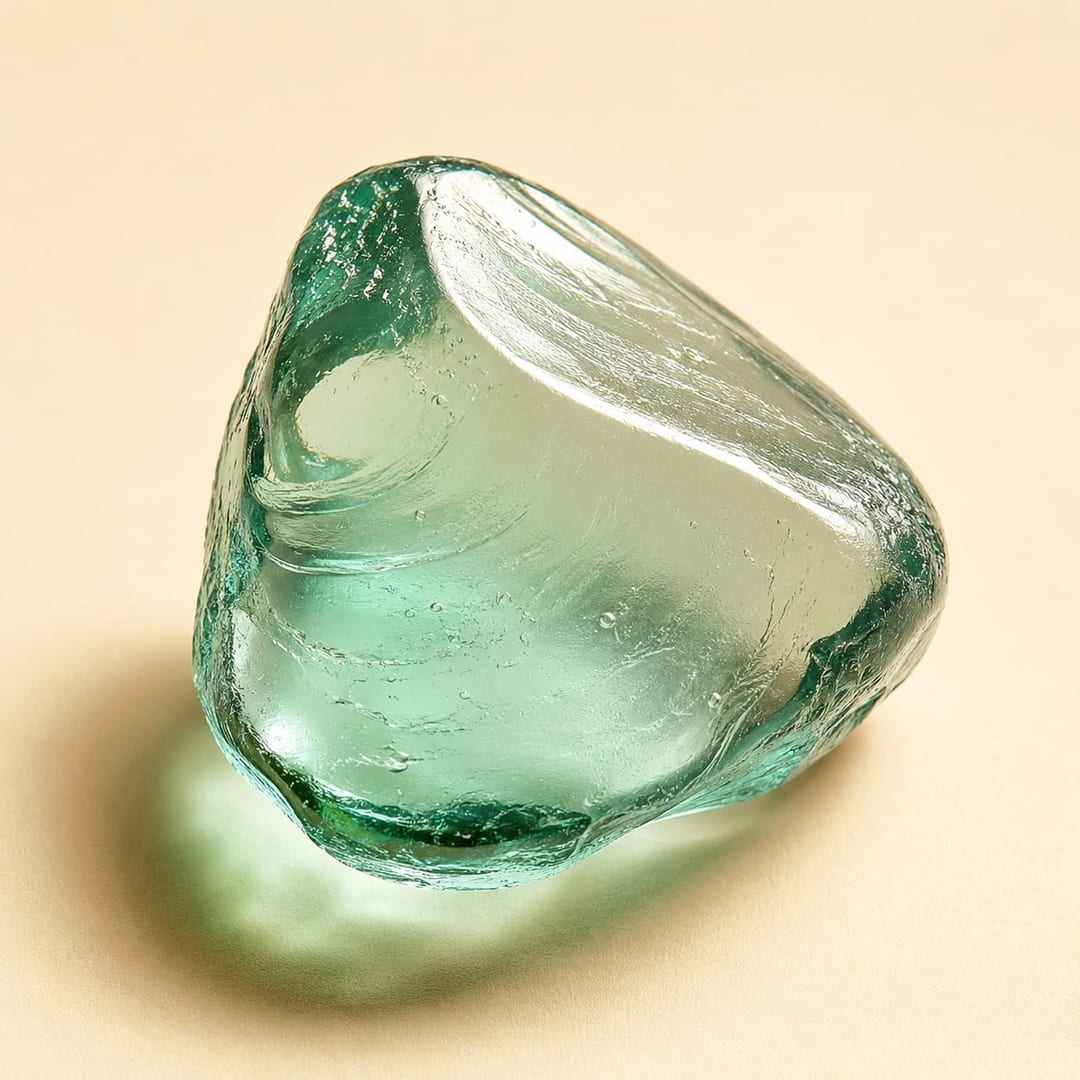
For beachcombers, a shard of frosted material found in the sand is more than just debris; it is a geological gem with a history. Classifying sea glass involves a different set of criteria compared to intact antiques. Here, the focus shifts to the degree of frost, the roundness of the edges, and the rarity of the color. The transformation from a sharp shard to a smooth, gem-like pebble takes decades of tumbling in the ocean, and the level of pitting on the surface can help estimate how long the item has been submerged.
Common colors like kelly green, brown, and clear (white) often originate from beer and soda bottles widely produced in the 20th century. However, finding rare colors like cobalt blue, red, or orange can indicate a source from medicine bottles, warning lights, or decorative art pieces from the 19th century or earlier. Analyzing the thickness and curvature of the shard can also provide hints about the original vessel—thick, flat pieces might be from windowpanes, while curved, thin fragments usually suggest tableware. This forensic approach turns a walk on the beach into a historical investigation.
Leveraging Technology for Accurate Results
The transition from thumbing through heavy reference books to using digital assistance has revolutionized the hobby of collecting. Modern technology utilizes computer vision to analyze complex visual data that might be overlooked by the human eye. By comparing the geometry, transparency, and decorative elements of a user's photo against massive datasets, accurate classification becomes accessible to everyone, not just professional appraisers.
This technology is particularly useful for distinguishing between look-alike patterns. Many companies in the mid-20th century produced similar pressed designs, making it difficult to pinpoint the exact manufacturer manually. A digital analyzer can detect subtle variations in mold precision and rim shape to suggest the most likely maker. While physical inspection for weight and feel remains important, incorporating digital analysis speeds up the process significantly, allowing collectors to filter through possibilities instantly and focus on the joy of discovery and preservation.
Put what you’ve learned to use
Upload your photos and compare the suggested match with the features you observed.
Frequently Asked Questions
Is this glass identifier free to use?
Yes, the glass identifier is free to use, with a generous daily allowance of identifications and no sign-up required. For unlimited identifications, unlimited AI chat, and saved collections, you can upgrade to IdentifyRock Unlimited.
Do I need to download an app to use this tool?
No, there is no need to install anything. This is a web-based application accessible directly through your browser on any device.
How does the AI glass identification work?
Our system uses advanced artificial intelligence trained on thousands of images of glassware, patterns, and textures to visually match your photo with known examples.
Do I need to create an account or sign up?
No sign-up is required. We believe in providing immediate access, so you can start identifying your items right away without registering.
Is there a limit to how many identifications I can perform?
The free version includes a generous daily allowance of identifications, enough for most people sorting through their finds. To catalogue an entire collection without a daily cap, plus unlimited AI chat and saved collections, you can upgrade to IdentifyRock Unlimited.
Can this tool identify sea glass colors and origins?
Yes, it can help classify sea glass based on color rarity and frost patterns, providing insights into the likely age and origin of the shard.
Will the AI recognize maker's marks or signatures?
The AI is designed to detect and analyze logos, etched signatures, and maker's marks on the bottom of bottles, vases, and tableware.
Does it work on broken shards or incomplete pieces?
Yes, even if you only have a fragment, the analyzer can often determine the pattern, material type, or era based on the texture and design elements present.
How accurate is the system at distinguishing crystal from regular glass?
While physical tests (like weight and sound) are definitive, our visual analysis detects refraction and clarity characteristics typical of lead crystal to give a high-confidence assessment.
Can I use this on my mobile phone while shopping?
Absolutely. The website is fully optimized for mobile devices, making it perfect for real-time analysis at flea markets or antique shops.
Does the tool assist with valuing the glass?
While the primary function is classification, identifying the correct manufacturer, pattern, and era is the first and most critical step in determining value.
What acts as the best background for photographing glass?
A solid, matte background that contrasts with the glass color is ideal. For clear glass, a dark grey background often highlights the silhouette and cut details best.
Ready to give it a try?
Upload your photos for an AI-assisted best match.